
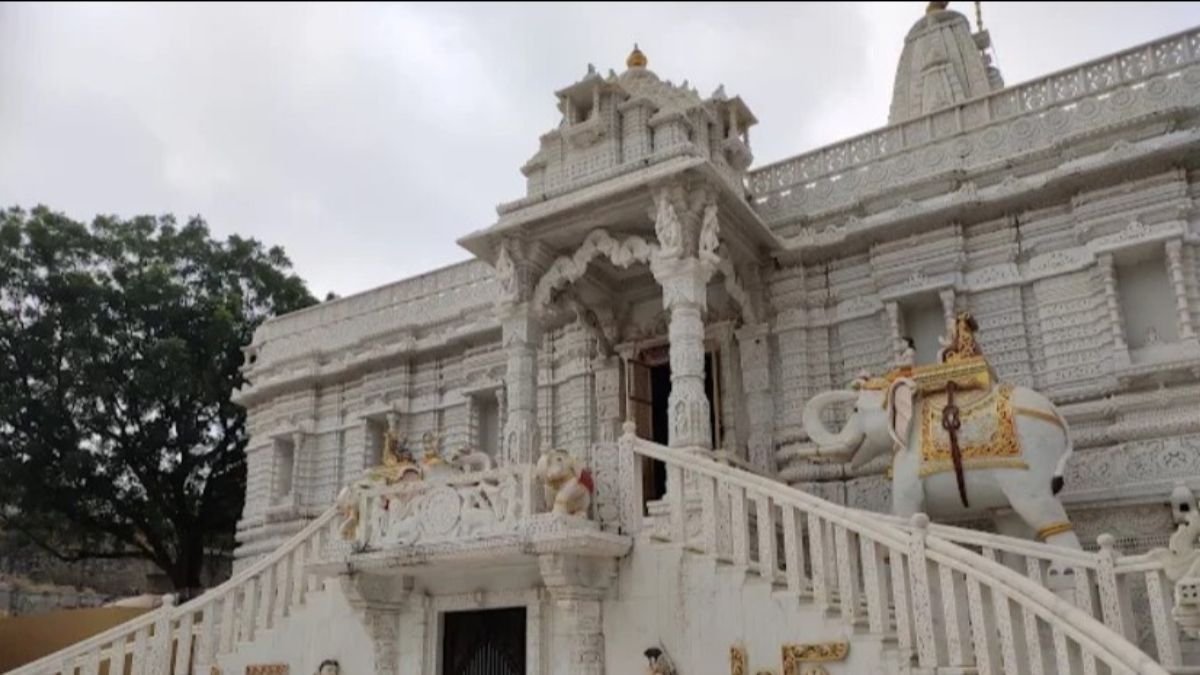
Virvada Tirth is a revered Jain pilgrimage site located in the western Indian state of Gujarat.
It holds immense religious significance among followers of Jainism and is known for its spiritual environment, architectural beauty, and historical depth.
For centuries, Jain devotees have visited this sacred site to seek blessings, attain inner peace, and strengthen their faith.
Virvada Tirth is not only a center of devotion but also a symbol of Gujarat’s rich Jain heritage.
The temple complex reflects intricate craftsmanship, traditional temple architecture, and a serene atmosphere that enhances meditation and spiritual practice.
Geographical Location of Virvada Tirth
Virvada Tirth is situated in Gujarat, a state widely known for its numerous Jain pilgrimage centers. The region surrounding the tirth is peaceful and spiritually uplifting, making it ideal for religious contemplation and prayer.
The temple is well connected by road and can be accessed from major cities in Gujarat. Pilgrims often combine their visit to Virvada Tirth with other nearby Jain temples, making it part of a broader spiritual journey.
Historical Origin of Virvada Tirth
The origin of Virvada Tirth dates back several centuries. Though exact historical documentation varies, it is widely believed that the temple was established by devoted Jain followers who aimed to create a sacred space dedicated to Jain Tirthankaras.
Over time, generous patrons and Jain communities contributed to the development and renovation of the temple. Like many Jain temples in Gujarat, Virvada Tirth reflects the strong religious commitment of Jain merchants and philanthropists who invested in preserving sacred traditions.
The temple has undergone restoration and expansion over the years to maintain its spiritual and architectural glory.
Religious Importance in Jainism
1. Dedication to Tirthankaras
Virvada Tirth is primarily dedicated to one of the revered Jain Tirthankaras. Tirthankaras are spiritual teachers who attained enlightenment and showed the path of liberation (moksha). Devotees visit the temple to offer prayers, perform rituals, and seek spiritual guidance.
2. Center of Pilgrimage
In Jain tradition, visiting a tirth (holy place) is considered spiritually purifying. Virvada Tirth serves as:
- A place for meditation and reflection
- A site for performing religious rituals
- A destination for community gatherings
- A symbol of devotion and faith
Pilgrims believe that sincere worship at this sacred place helps in cleansing karmas and progressing toward spiritual liberation.
Architectural Beauty and Temple Design


One of the most striking features of Virvada Tirth is its traditional Jain temple architecture. The temple structure typically includes:
1. Main Sanctum (Garbha Griha)
The sanctum houses the idol of the presiding deity, usually carved from marble or stone. The idol is placed in a meditative posture, symbolizing peace and enlightenment.
2. Intricate Marble Carvings
The temple walls, pillars, and ceilings display detailed carvings. These carvings often depict:
- Floral patterns
- Mythological symbols
- Jain religious motifs
- Geometric designs
3. Domes and Pillars
The domes are artistically crafted, and the pillars showcase exceptional craftsmanship. The symmetry and detailing represent devotion and artistic excellence.
The temple’s white marble structure enhances its purity and serenity, making it visually and spiritually uplifting.
Spiritual Practices at Virvada Tirth
Virvada Tirth is not just an architectural monument; it is a living center of faith. Devotees engage in several spiritual activities here:
1. Darshan and Pooja
Pilgrims perform daily prayers and rituals in front of the idol. Offerings may include flowers, rice, and sacred chants.
2. Meditation and Silence
Many visitors spend time in silent meditation, reflecting on Jain teachings such as:
- Ahimsa (non-violence)
- Satya (truth)
- Aparigraha (non-possessiveness)
3. Festivals and Religious Events
During important Jain festivals like:
- Mahavir Jayanti
- Paryushan
- Kartik Purnima
the temple witnesses a large gathering of devotees.
Facilities for Pilgrims
Virvada Tirth provides basic amenities to ensure a comfortable pilgrimage experience. These may include:
- Dharamshala (accommodation for pilgrims)
- Bhojanshala (pure vegetarian meals)
- Clean and hygienic surroundings
- Organized temple management
The temple authorities often ensure that the environment remains peaceful and spiritually focused.
Symbolism and Cultural Significance
Virvada Tirth symbolizes:
- Dedication to Jain principles
- Community unity
- Preservation of ancient traditions
- Spiritual discipline
Jain temples are built not only for worship but also to inspire ethical living. The peaceful surroundings of Virvada Tirth remind devotees of the importance of simplicity and moral values.
The temple also plays a role in preserving Jain scriptures, rituals, and teachings for future generations.
Importance in Jain Pilgrimage Network
Gujarat is home to several prominent Jain pilgrimage sites such as:
- Palitana Temples
- Girnar Jain Temples
- Shankheshwar Parshwanath Temple
Virvada Tirth forms part of this wider pilgrimage tradition. Though it may not be as large as Palitana, its spiritual aura and devotion make it equally meaningful for devotees.
Philosophical Relevance
The teachings emphasized at Virvada Tirth revolve around the core Jain philosophy:
- Non-violence in thought and action
- Self-discipline
- Detachment from material possessions
- Spiritual self-purification
Pilgrimage to such sites is seen as a reminder of the ultimate goal in Jainism — moksha (liberation from the cycle of birth and death).
Why Devotees Visit Virvada Tirth
People visit Virvada Tirth for various reasons:
- To seek blessings and spiritual strength
- To fulfill religious vows
- To experience peace away from urban life
- To participate in temple festivals
- To connect with Jain heritage
The calm and sacred atmosphere offers mental clarity and spiritual satisfaction.
Best Time to Visit
Although the temple can be visited throughout the year, many devotees prefer visiting during:
- Jain religious festivals
- Winter months (pleasant weather)
- Community-organized pilgrimages
Early mornings and evenings are ideal for peaceful darshan and meditation.
Preservation and Community Role
Like many Jain temples, Virvada Tirth is maintained through community donations and trust management. The Jain community plays an active role in:
- Renovations
- Temple cleanliness
- Organizing religious events
- Providing pilgrim services
This collective effort ensures that the tirth continues to flourish as a sacred center of devotion.
Bottom Line
Virvada Tirth stands as a sacred symbol of Jain devotion, architectural beauty, and spiritual discipline. Rooted in centuries-old traditions, it continues to inspire devotees with its serene atmosphere and religious significance. The temple reflects the core Jain values of non-violence, simplicity, and self-realization.
Whether one visits for religious worship, meditation, or cultural appreciation, Virvada Tirth offers a deeply enriching spiritual experience. It is not merely a temple but a pathway toward inner peace and higher consciousness.
Frequently Asked Questions
1. Where is Virvada Tirth located?
Virvada Tirth is located in Gujarat, India, and is a significant Jain pilgrimage site.
2. Which religion is associated with Virvada Tirth?
It is associated with Jainism and is dedicated to a Jain Tirthankara.
3. What is the main importance of Virvada Tirth?
The tirth is important for spiritual purification, meditation, and devotion to Jain teachings.
4. Are accommodation facilities available near the temple?
Yes, basic facilities such as dharamshala and bhojanshala are generally available for pilgrims.
5. When is the best time to visit Virvada Tirth?
The temple can be visited year-round, but festival times and winter months are particularly popular.