
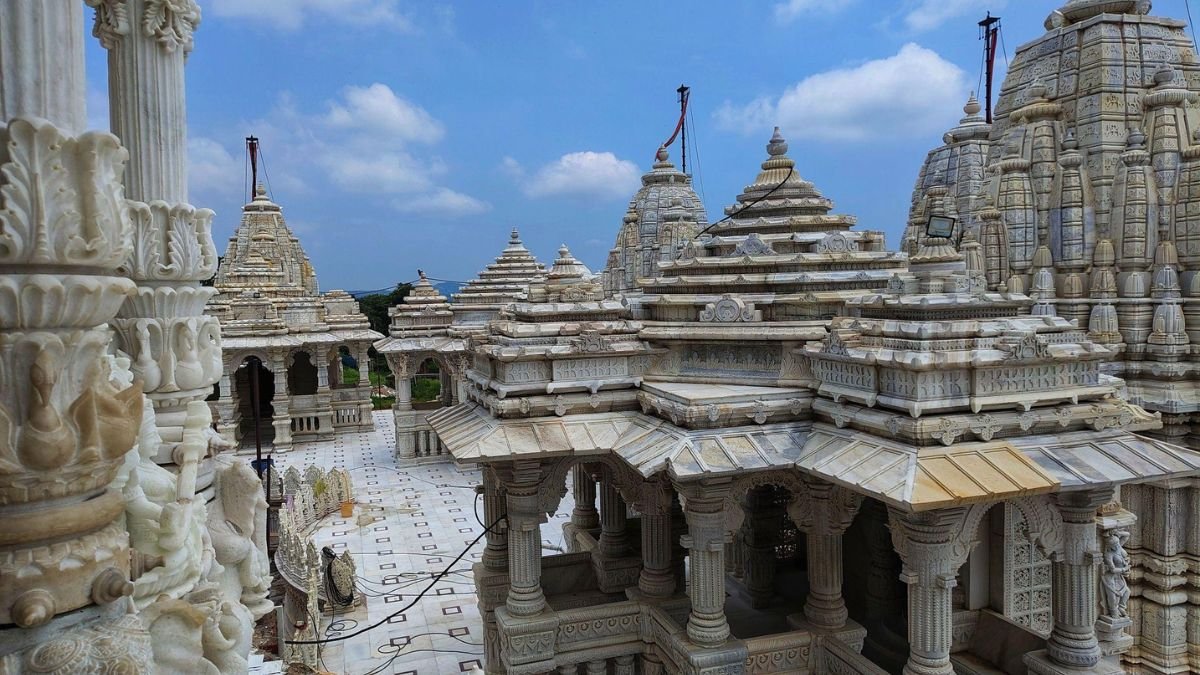
Vijaypurpattan Tirth is a revered Jain pilgrimage site known for its spiritual aura, historical relevance, and deep religious significance. This sacred place attracts Jain devotees and spiritual seekers who wish to experience peace, devotion, and a connection with ancient traditions.
Like many Jain tirths across India, Vijaypurpattan represents not just a temple complex but a center of faith, meditation, and moral inspiration.
In this article, we explore the origin, history, importance, architecture, rituals, and pilgrimage details of Vijaypurpattan Tirth.
Historical Background and Origin of Vijaypurpattan Tirth


The origins of Vijaypurpattan Tirth are rooted in the ancient traditions of Jainism. While exact historical documentation may vary, the tirth is believed to have been established centuries ago, during a period when Jain communities flourished across western and central India.
The name “Vijaypurpattan” itself suggests:
- Vijay – meaning victory
- Pur – meaning city or settlement
- Pattan – often referring to an ancient town or trade center
Historically, many Jain tirths developed in prosperous trade towns where Jain merchants contributed to temple construction. Vijaypurpattan Tirth likely evolved under similar circumstances, supported by devoted Jain families who aimed to preserve religious teachings and create a place for worship and community gathering.
Over time, the tirth became an important center for spiritual practices, religious discourses, and temple festivals.
Religious Significance
Vijaypurpattan Tirth holds immense importance in Jain tradition due to:
1. Presence of Sacred Idol (Mulnayak)
The main deity (Mulnayak) installed in the temple is a revered Jain Tirthankar idol, sculpted in marble or stone, symbolizing purity, non-violence, and liberation (moksha).
Devotees believe that sincere prayers offered at this tirth:
- Remove obstacles
- Bring spiritual clarity
- Strengthen moral discipline
- Inspire a life of non-violence and compassion
2. A Center for Spiritual Discipline
The tirth promotes Jain principles such as:
- Ahimsa (Non-violence)
- Satya (Truthfulness)
- Aparigraha (Non-attachment)
- Brahmacharya (Celibacy)
- Asteya (Non-stealing)
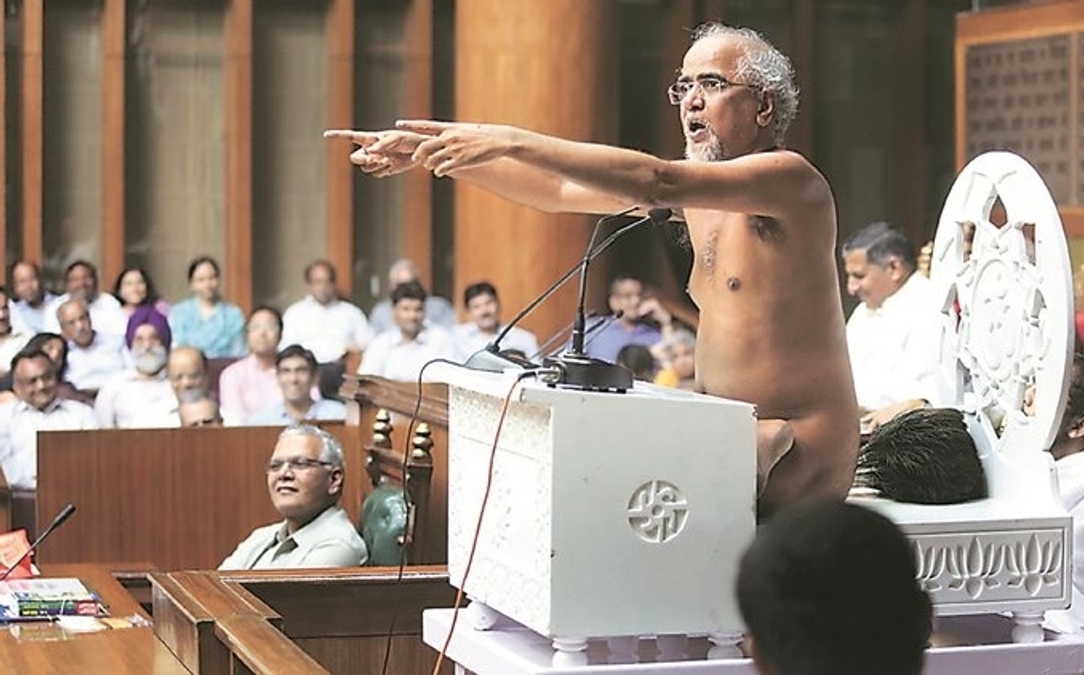
Monks and nuns often visit the site during their spiritual journeys, delivering sermons and guiding devotees.
Architectural Features


Vijaypurpattan Tirth reflects traditional Jain temple architecture, characterized by elegance, symmetry, and detailed craftsmanship.
Key Architectural Highlights:
- Intricately carved marble pillars
- Decorative domes (mandaps)
- Beautifully sculpted ceilings
- Ornate entrance gateways
- Peaceful sanctum (Garbhagriha)
The temple complex often includes:
- Main shrine
- Sub-shrines of other Tirthankars
- Prayer halls
- Meditation spaces
- Dharamshala (accommodation for pilgrims)
The architecture reflects Jain values of purity and simplicity while showcasing exceptional artistic excellence.
Festivals and Religious Celebrations
Vijaypurpattan Tirth becomes especially vibrant during major Jain festivals such as:
1. Mahavir Jayanti
Celebration of the birth anniversary of Lord Mahavir with:
- Processions
- Prayers
- Religious discourses
- Charity activities
2. Paryushan Parva
One of the most sacred Jain festivals focusing on:
- Fasting
- Repentance (Pratikraman)
- Forgiveness (Kshamavani)
3. Kartik Purnima and Other Tirth Anniversaries
Special rituals and large pilgrim gatherings take place during auspicious dates connected with the temple’s establishment.
During these times, the tirth witnesses thousands of devotees seeking blessings and participating in spiritual activities.
Pilgrimage Experience at Vijaypurpattan Tirth


A visit to Vijaypurpattan Tirth offers:
1. Spiritual Calmness
The temple atmosphere is serene and meditative. Devotees often spend hours in silent prayer and reflection.
2. Ritual Practices
Common rituals include:
- Abhishek (ritual bathing of idol)
- Aarti
- Navkar Mantra chanting
- Offering rice and flowers
3. Community Interaction
Pilgrims from different regions gather, creating a strong sense of community and shared devotion.
4. Accommodation and Facilities
Most Jain tirths, including Vijaypurpattan, provide:
- Clean dharamshala rooms
- Bhojanshala (pure vegetarian meals)
- Parking facilities
- Guidance for first-time visitors
Cultural and Social Importance
Beyond religious worship, Vijaypurpattan Tirth serves as:
- A center for Jain education and scriptural learning
- A place promoting ethical living
- A symbol of Jain heritage preservation
- A hub for charitable activities such as food distribution and community service
Such tirths play a crucial role in maintaining Jain traditions across generations.
Role in Preserving Jain Heritage
Vijaypurpattan Tirth contributes to:
- Protecting ancient Jain idol art
- Preserving temple manuscripts (if maintained)
- Hosting religious conferences
- Encouraging youth participation in religious education
The temple management committees often ensure proper maintenance and restoration, keeping the sacred environment intact.
How to Prepare for a Visit
If you are planning to visit Vijaypurpattan Tirth, consider:
- Wearing modest and traditional attire
- Following temple rules strictly
- Maintaining silence inside the sanctum
- Avoiding leather items inside the premises
- Respecting monks and temple authorities
Pilgrimage is considered not just a journey but a spiritual cleansing experience.
Bottom Line
Vijaypurpattan Tirth stands as a sacred beacon of Jain faith, devotion, and cultural heritage. Its historical roots, architectural beauty, and spiritual atmosphere make it a significant pilgrimage destination.
For devotees, the tirth represents a path toward inner peace and self-realization. For historians and spiritual seekers, it offers insight into the rich traditions of Jainism.
Visiting Vijaypurpattan Tirth is more than temple darshan—it is an opportunity to connect with timeless principles of non-violence, discipline, and liberation.
Frequently Asked Questions (FAQs)
1. What is Vijaypurpattan Tirth famous for?
It is known for its sacred Jain temple, spiritual environment, and religious significance among Jain devotees.
2. Which deity is worshipped at Vijaypurpattan Tirth?
The temple houses a revered Jain Tirthankar idol as its main deity (Mulnayak).
3. Are accommodation facilities available for pilgrims?
Yes, most Jain tirths provide dharamshala and bhojanshala facilities for visitors.
4. What is the best time to visit Vijaypurpattan Tirth?
Major Jain festivals like Mahavir Jayanti and Paryushan are considered ideal times for a spiritually enriching visit.
5. Is Vijaypurpattan Tirth suitable for meditation?
Yes, the peaceful environment makes it ideal for meditation and spiritual reflection.