
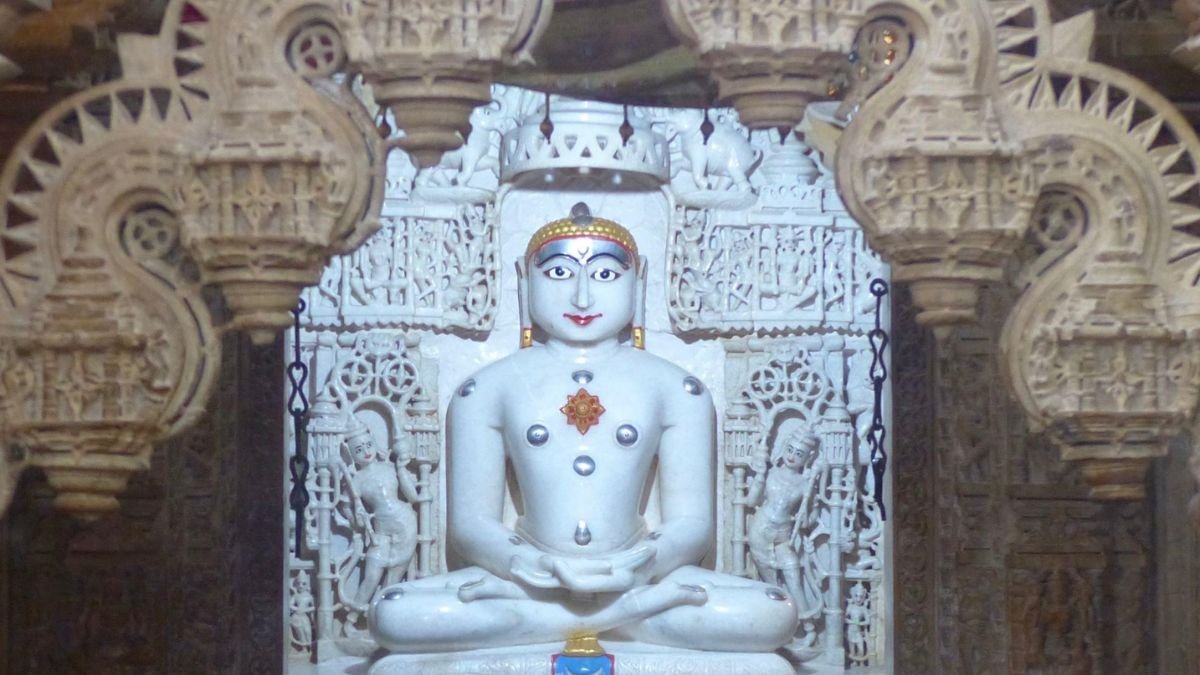
The story of Sulsa Shravika holds a special place in the rich spiritual tradition of Jainism. She is remembered as an exemplary laywoman (Shravika) whose life demonstrated unwavering faith, devotion to the Tirthankaras, compassion, and extraordinary moral strength.
Her story is not merely a religious narrative but a timeless lesson in patience, spiritual commitment, truthfulness, and courage. In Jain literature, Sulsa Shravika is celebrated as an ideal follower of the Jain path, inspiring generations of devotees—especially women—to live a life guided by dharma.
Who Was Sulsa Shravika?

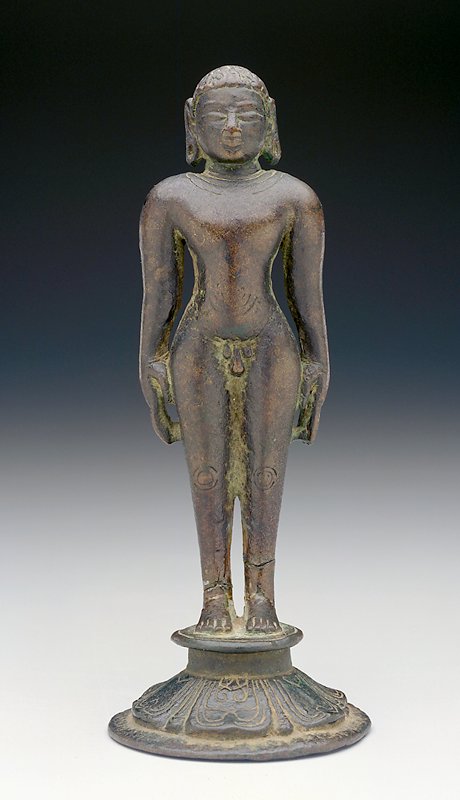
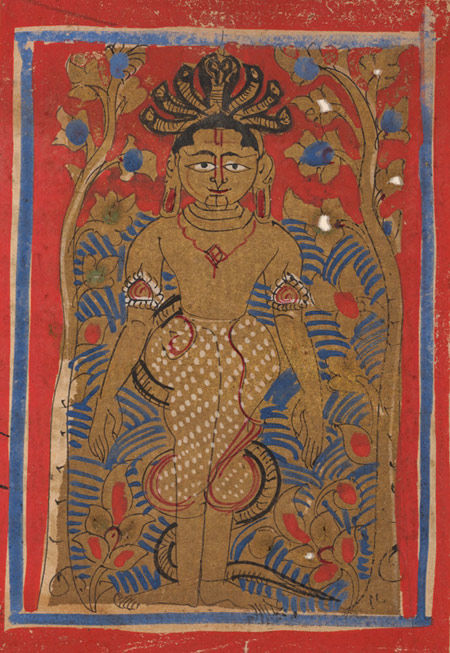
Sulsa was a devout lay follower (Shravika) during the era of Lord Mahavira, the 24th Tirthankara of Jainism. While monks and nuns renounced worldly life completely, lay followers like Sulsa practiced Jain principles while living in society.
She was born into a respected and wealthy family, but what made her truly remarkable was not her material prosperity—it was her deep spiritual inclination and commitment to Jain values.
Sulsa strictly followed the vows prescribed for householders, including:
- Non-violence (Ahimsa)
- Truthfulness (Satya)
- Non-stealing (Asteya)
- Chastity (Brahmacharya within marriage)
- Non-possessiveness (Aparigraha)
Her devotion to Lord Mahavira and Jain monks became legendary.
Historical and Spiritual Context


Sulsa lived during the time of Mahavira (599–527 BCE), the last Tirthankara of the present time cycle. This was a transformative period in Indian spiritual history when renunciation, self-discipline, and liberation (moksha) were central philosophical themes.
Jain society during this era included monks (sadhus), nuns (sadhvis), and lay followers (shravakas and shravikas). Lay followers played a crucial role in supporting the monastic community through service, charity, and adherence to moral discipline.
Sulsa Shravika stood out among laywomen because of her exceptional spiritual maturity and resilience in the face of adversity.
The Famous Story of Sulsa Shravika
The Test of Devotion
According to Jain scriptures and traditional narratives, Sulsa was once put to a severe test of faith. A divine being (deva), wishing to examine her devotion and equanimity, created an illusion that her beloved son had died in a tragic accident.
When Sulsa was informed of the devastating news, the natural expectation was that she would collapse in grief. However, she remained composed and calm.
She reflected:
- The soul (atma) is eternal.
- Birth and death are governed by karma.
- Attachment leads to suffering.
Rather than losing herself in sorrow, she demonstrated spiritual awareness and detachment, reminding herself of the fundamental Jain teachings about impermanence and karma.
Her Extraordinary Patience
Sulsa’s reaction astonished everyone. She did not wail, accuse fate, or blame anyone. Instead, she maintained her inner balance (samata).
Her response symbolized the Jain principle of equanimity in happiness and sorrow. Eventually, it was revealed that the event was merely a divine test, and her son was safe.
The divine being praised Sulsa’s unwavering devotion and declared her an ideal Shravika.
Core Values Reflected in Sulsa’s Story
1. Ahimsa (Non-Violence)
Sulsa practiced non-violence not only physically but also mentally and verbally. Even in distress, she avoided harsh speech or anger.
2. Samata (Equanimity)
Her calm acceptance of life’s events reflects the Jain emphasis on emotional balance.
3. Faith in Karma
Sulsa deeply understood that all events occur according to karmic law. This faith prevented her from reacting impulsively.
4. Detachment (Vairagya)
Though she loved her son, she did not let attachment overpower her spiritual wisdom.
5. Devotion to the Tirthankaras
Her devotion to the teachings of Mahavira strengthened her resolve during difficult moments.
Importance of Sulsa Shravika in Jain Tradition
Sulsa Shravika is revered as one of the most exemplary laywomen in Jain history. Her story is often narrated in:
- Jain religious discourses
- Temple sermons
- Children’s moral education
- Jain community gatherings
She represents the idea that spiritual greatness is not limited to monks and nuns. A householder, too, can attain high spiritual status by practicing discipline and devotion sincerely.
Her story particularly inspires Jain women, demonstrating that household responsibilities and spiritual growth can coexist harmoniously.
Sulsa as a Role Model for Women

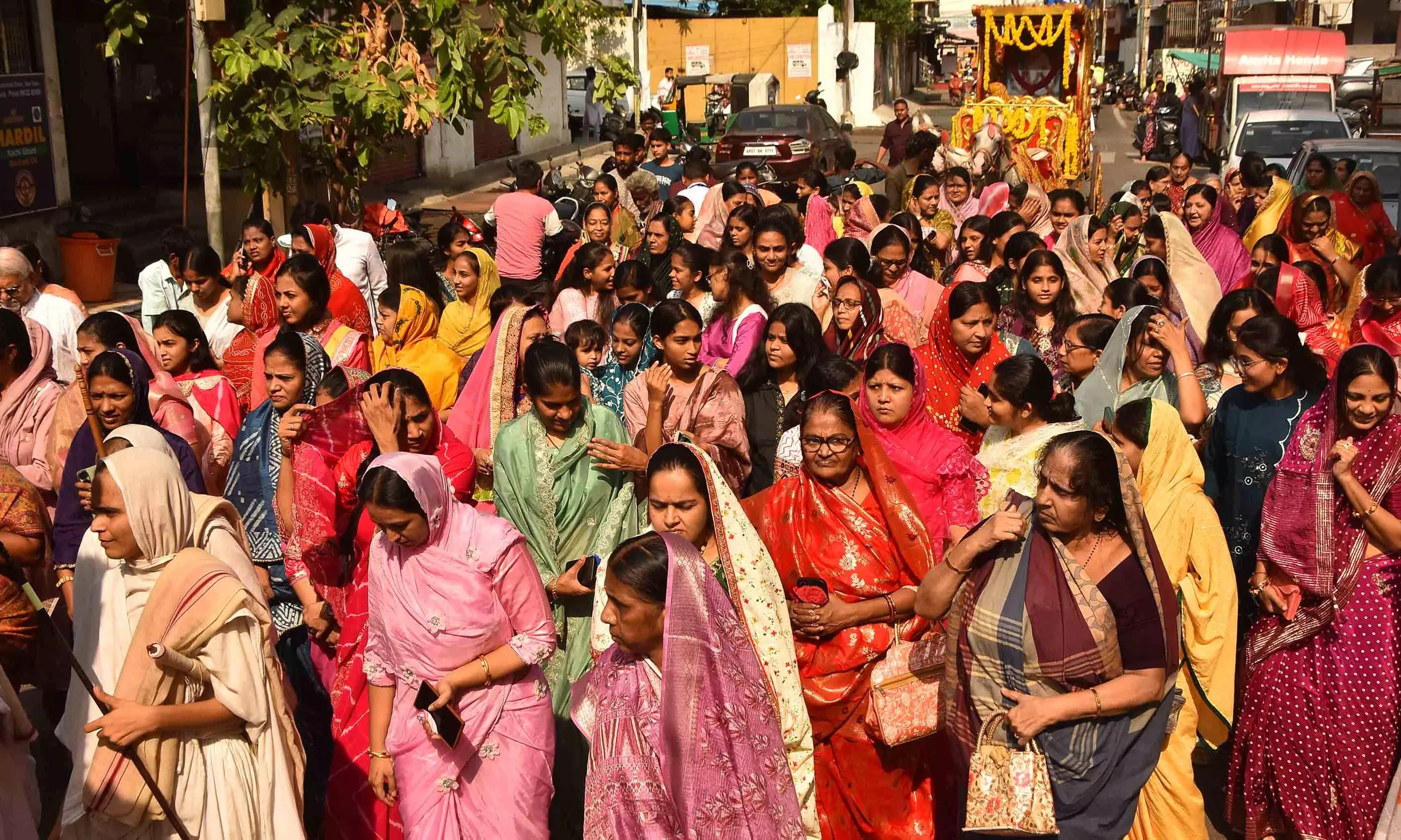
Sulsa is considered an icon of spiritual womanhood in Jainism. She balanced:
- Family duties
- Social responsibilities
- Religious observances
In a society where emotional expression is natural and expected, her composed response highlights the power of spiritual training.
She proves that true strength lies not in suppression of emotion but in mastery over attachment.
Philosophical Lessons from the Story
Understanding Impermanence
Everything in the material world is temporary. Sulsa’s calmness reflects her deep awareness of this truth.
Mastery Over Attachment
Jain philosophy teaches that attachment binds the soul to cycles of rebirth. Sulsa’s reaction shows the ideal approach toward worldly relationships—loving but not possessive.
Power of Inner Discipline
Her equanimity was not accidental; it was the result of consistent spiritual practice, meditation, and reflection.
Spiritual Equality
Sulsa’s story highlights that lay followers can attain immense spiritual merit, reinforcing the inclusive nature of Jain spiritual practice.
Origin and Scriptural References
The story of Sulsa Shravika appears in Jain narrative literature and traditional Kathas (religious stories) passed down through generations. While exact textual references may vary between Jain sects (Digambara and Shvetambara), the moral essence remains consistent.
Her narrative is preserved in Jain community teachings as an example of ideal Shravika conduct.
Modern Relevance of Sulsa’s Story
In today’s fast-paced and emotionally reactive world, Sulsa’s story offers valuable lessons:
- Stay calm during crisis.
- Accept events with maturity.
- Maintain faith in higher principles.
- Balance family life with spirituality.
Her story encourages people to develop emotional intelligence rooted in spiritual wisdom.
Bottom Line
The story of Sulsa Shravika is a powerful example of faith, composure, and devotion within Jainism. Living during the era of Lord Mahavira, she demonstrated that true spirituality lies in equanimity, understanding of karma, and detachment from worldly attachments.
Her calm acceptance during a severe test of maternal grief made her an eternal symbol of spiritual strength. Sulsa reminds us that inner discipline and devotion can transform even the most painful situations into opportunities for spiritual growth.
Her life continues to inspire Jain devotees and seekers worldwide, proving that greatness in spirituality is accessible to all—monk or householder, man or woman.
Frequently Asked Questions
1. Who was Sulsa Shravika?
Sulsa Shravika was a devout Jain laywoman during the time of Lord Mahavira, known for her unwavering faith and equanimity.
2. Why is Sulsa Shravika important in Jainism?
She is considered an ideal Shravika because she demonstrated perfect composure and devotion during a divine test of faith.
3. What was the main lesson from her story?
The main lesson is to maintain equanimity and faith in karma during times of sorrow and difficulty.
4. Did Sulsa renounce worldly life?
No, she remained a householder but practiced Jain vows sincerely and attained high spiritual merit.
5. How is her story relevant today?
Her story teaches emotional control, faith, detachment, and balance between family life and spirituality.