
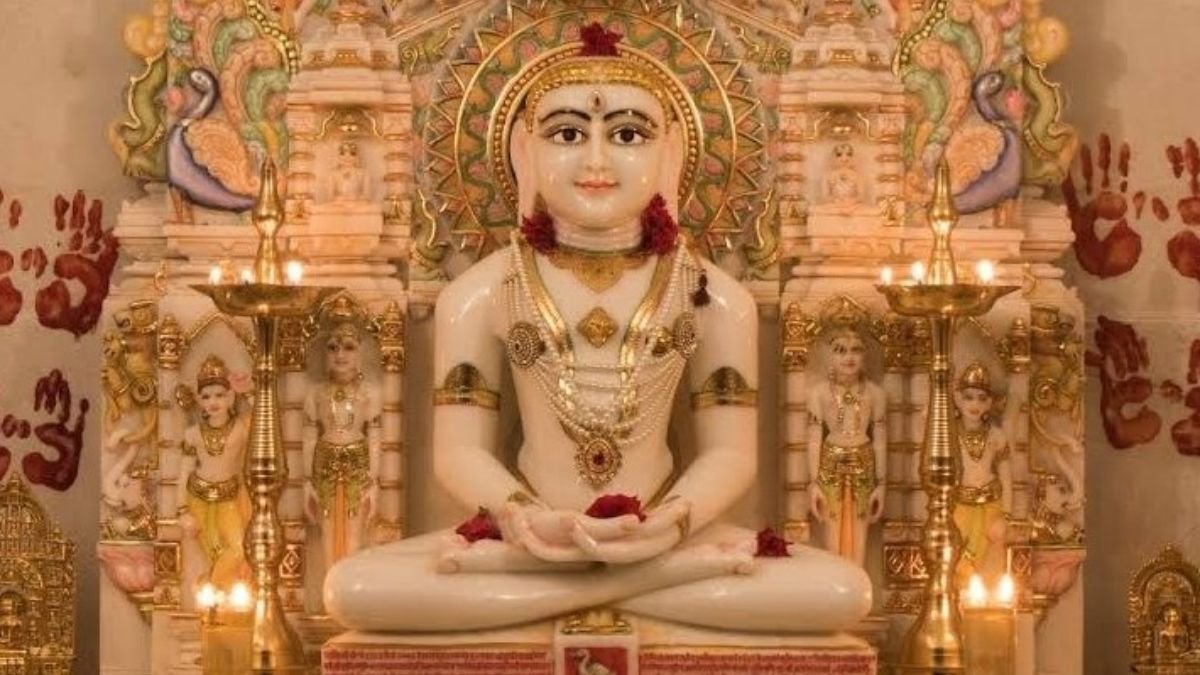
Sumatinath is revered as the fifth Tirthankara in the current time cycle of Jainism. In Jain philosophy, a Tirthankara is a spiritual teacher who has conquered worldly attachments, attained Kevala Jnana (omniscience), and shown the path of liberation (moksha) to others.
The name “Sumatinath” is derived from two Sanskrit words:
- Su meaning “good” or “auspicious”
- Mati meaning “intellect” or “wisdom”
Thus, Sumatinath signifies “Lord of Auspicious Wisdom.” His life and teachings emphasize clarity of thought, moral discipline, non-violence, and spiritual awareness.
Historical and Mythological Background
According to Jain scriptures, Sumatinath was born in the ancient city of Ayodhya, which is considered one of the most sacred cities in India.
Birth and Family
Ayodhya is traditionally regarded as the birthplace of several Tirthankaras. Sumatinath was born to:
- King Meghaprabha (Father)
- Queen Mangala (Mother)
His birth took place during the Chaitra month, on the eighth day of the bright half of the lunar fortnight. Jain texts describe that before his birth, his mother saw auspicious dreams, which indicated that a great soul would be born.
His birth is celebrated with devotion among Jain communities.
Symbol and Iconography


Each Tirthankara has a distinct lanchhan (emblem) that helps devotees identify them.
- The emblem of Sumatinath is the Goose (Hans).
The goose symbolizes:
- Purity and wisdom
- Ability to distinguish truth from falsehood
- Spiritual discrimination (Viveka)
In idol form, Sumatinath is depicted in a calm, meditative posture, either in Padmasana (lotus pose) or Kayotsarga (standing meditation). His complexion is described as golden in Jain texts.
Early Life and Renunciation
Like other Tirthankaras, Sumatinath was born into royal luxury. He lived as a prince and later became a king, ruling with justice and compassion.
However, despite worldly prosperity, he realized the impermanence of life. Witnessing suffering and understanding the cycle of birth and death, he chose the path of renunciation (Diksha).
He gave up:
- His kingdom
- Royal comforts
- Family attachments
He adopted a life of austerity, meditation, and non-violence.
Attainment of Kevala Jnana
After years of intense spiritual practice and penance, Sumatinath attained Kevala Jnana (absolute knowledge) under a sacred tree.
Kevala Jnana means:
- Perfect knowledge
- Complete awareness of all substances in the universe
- Freedom from ignorance and karmic bondage
Once he attained omniscience, he became a Tirthankara, establishing a fourfold Jain community consisting of:
- Monks (Sadhus)
- Nuns (Sadhvis)
- Laymen (Shravakas)
- Laywomen (Shravikas)
Teachings of Sumatinath Bhagwan
The core teachings of Sumatinath align with the central principles of Jainism:
1. Ahimsa (Non-Violence)
Non-violence is the highest virtue. It extends beyond physical harm and includes:
- Avoiding harmful speech
- Avoiding harmful thoughts
- Practicing compassion toward all living beings
2. Aparigraha (Non-Possessiveness)
Detachment from material possessions and desires leads to inner peace.
3. Satya (Truthfulness)
Truth must be practiced with kindness and responsibility.
4. Self-Discipline and Meditation
Spiritual progress requires:
- Self-control
- Fasting
- Meditation
- Ethical conduct
Sumatinath emphasized mental purity and right understanding as foundations of liberation.
Nirvana (Liberation)


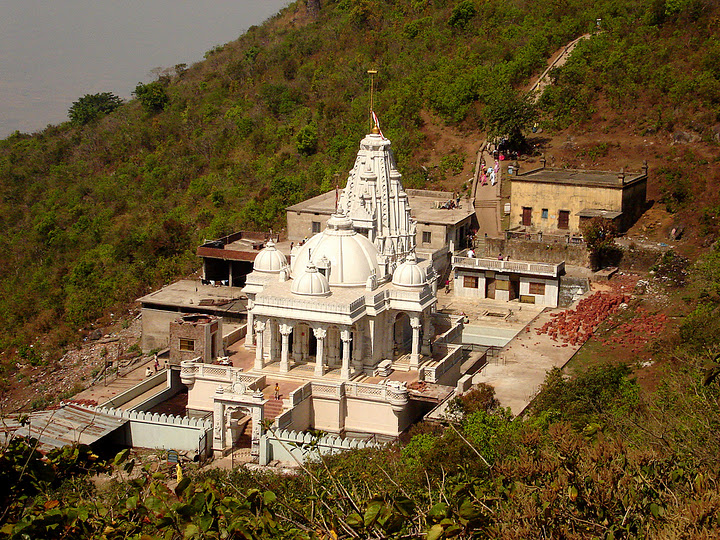
Like many Tirthankaras, Sumatinath attained Nirvana (final liberation) at:
Sammed Shikharji
This sacred pilgrimage site, located in Jharkhand (also known as Parasnath Hill), is one of the holiest Jain pilgrimage destinations. It is believed that 20 out of 24 Tirthankaras attained liberation here.
Upon attaining Nirvana, Sumatinath was freed from the cycle of birth and death, achieving eternal bliss.
Importance in Jainism
Sumatinath holds great significance for several reasons:
Spiritual Inspiration
He represents:
- Right knowledge
- Pure intellect
- Moral clarity
Ethical Guidance
His teachings guide followers in:
- Leading disciplined lives
- Practicing non-violence
- Cultivating compassion
Pilgrimage and Devotion
Temples dedicated to Sumatinath can be found across India. Devotees perform:
- Prayers (Puja)
- Meditation
- Fasting rituals
- Scriptural recitations
His idol is worshipped for wisdom and spiritual progress.
Philosophical Relevance
Sumatinath’s life reinforces fundamental Jain concepts:
- Karma Theory: Every action has consequences.
- Rebirth: Souls continue to reincarnate until liberated.
- Moksha: Ultimate goal of the soul.
- Three Jewels (Ratnatraya):
- Right Faith (Samyak Darshan)
- Right Knowledge (Samyak Jnana)
- Right Conduct (Samyak Charitra)
His example shows that liberation is possible through disciplined effort.
Cultural and Religious Celebrations
The birth anniversary of Sumatinath is celebrated with devotion in Jain temples. Rituals include:
- Abhisheka (ceremonial bathing of idols)
- Chanting of Jain mantras
- Charity and food distribution
- Religious discourses
These celebrations strengthen spiritual awareness and community bonds.
Lessons from the Life of Sumatinath
The life of Sumatinath teaches us:
- Material wealth is temporary.
- True happiness lies in spiritual awakening.
- Compassion toward all beings is essential.
- Wisdom leads to liberation.
His name itself — “Sumati” — reminds followers to cultivate good intellect and pure thinking in daily life.
Bottom Line
Sumatinath, the fifth Tirthankara of Jainism, stands as a beacon of wisdom, non-violence, and spiritual discipline. Born in Ayodhya into royal comfort, he renounced worldly life in pursuit of truth and attained Kevala Jnana through deep meditation and austerity. His teachings continue to guide millions toward ethical living and liberation.
Through his emblem of the goose, symbolizing purity and discrimination between truth and falsehood, Sumatinath inspires seekers to cultivate clarity of thought and compassion. His Nirvana at Sammed Shikharji marks him among the most revered spiritual figures in Jain tradition.
His life reminds humanity that true greatness lies not in power or wealth, but in wisdom and self-realization.
FAQs
1. Who was Sumatinath Bhagwan?
Sumatinath Bhagwan was the fifth Tirthankara of Jainism who attained omniscience and showed the path of liberation.
2. Where was Sumatinath born?
He was born in Ayodhya to King Meghaprabha and Queen Mangala.
3. What is the symbol of Sumatinath?
His symbol (lanchhan) is the Goose (Hans), representing purity and wisdom.
4. Where did Sumatinath attain Nirvana?
He attained Nirvana at Sammed Shikharji (Parasnath Hill) in Jharkhand.
5. What are the main teachings of Sumatinath?
His teachings focus on non-violence, truth, non-attachment, self-discipline, and spiritual knowledge.