
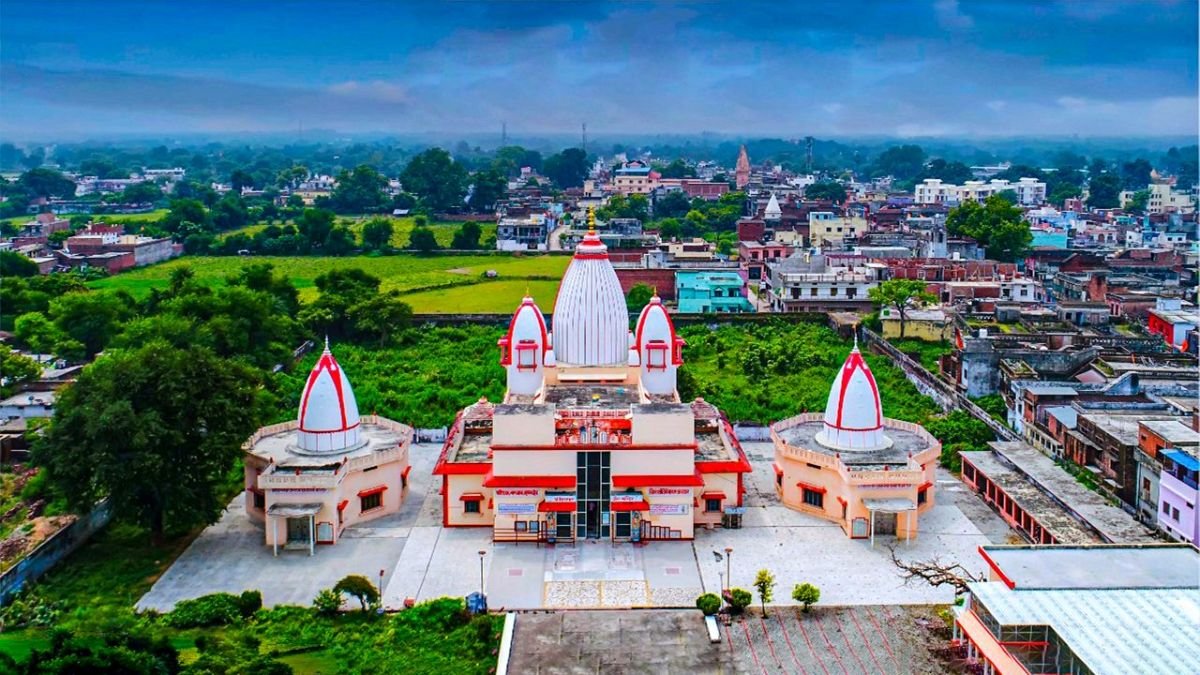
Sumatinath is revered as the fifth Tirthankara of Jainism, one of the 24 enlightened spiritual teachers who re-establish the path of righteousness and liberation (moksha) in every time cycle.
In Jain tradition, Tirthankaras are not creators or divine rulers but perfected souls who have conquered attachment, anger, ego, and greed, thereby achieving omniscience (Kevala Jnana).
Sumatinath Bhagwan is remembered for his wisdom, compassion, and dedication to spreading the principles of ahimsa (non-violence), satya (truth), and aparigraha (non-possessiveness)—core pillars of Jain philosophy.
Birth and Early Life
According to Jain scriptures, Sumatinath Bhagwan was born in the ancient city of Ayodhya, a sacred land associated with several Tirthankaras. His father was King Megha (Megharatha), and his mother was Queen Mangala.
Auspicious Signs Before Birth
Jain tradition narrates that Queen Mangala saw fourteen auspicious dreams before the birth of Sumatinath. These dreams symbolized the arrival of a great soul destined to guide humanity toward spiritual enlightenment. Such dreams are common in the birth stories of all Tirthankaras.
Meaning of the Name “Sumatinath”
The name Sumati means “right intellect” or “good wisdom.” He was named so because his presence brought clarity, virtue, and noble thinking among the people.
Symbol and Iconography
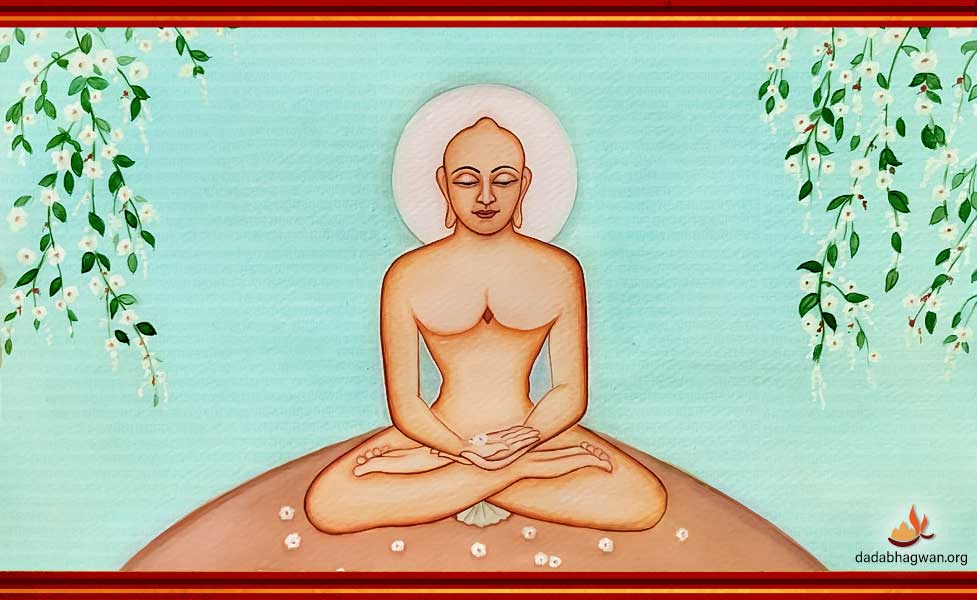


Each Tirthankara is associated with a unique emblem (lanchhana) to distinguish them in idol form. The symbol of Sumatinath Bhagwan is the Goose (Hamsa).
Significance of the Goose Symbol
- Represents purity and wisdom
- Symbolizes the ability to distinguish truth from falsehood
- Associated with spiritual discrimination and clarity
In temples, his idol is typically depicted in Padmasana (lotus posture) or Kayotsarga (standing meditation posture), signifying detachment and deep meditation.
Spiritual Journey and Renunciation
Despite being born into royalty and enjoying worldly comforts, Sumatinath eventually realized the impermanence of material pleasures. Inspired by deep spiritual reflection, he renounced his kingdom to pursue the path of liberation.
Renunciation (Diksha)
He gave up royal life and embraced asceticism. Through strict penance, meditation, and unwavering discipline, he conquered inner passions.
Attainment of Kevala Jnana
After years of spiritual practice, Sumatinath attained Kevala Jnana (omniscience). This state signifies complete knowledge and freedom from karmic bondage.
Once enlightened, he began preaching the path of liberation to humanity.
Teachings of Sumatinath Bhagwan
The teachings of Sumatinath align with core Jain principles:
1. Ahimsa (Non-Violence)
He emphasized compassion toward all living beings, including animals, insects, and plants.
2. Aparigraha (Non-Attachment)
He taught that attachment to material possessions binds the soul to cycles of birth and death.
3. Right Faith, Right Knowledge, Right Conduct
Known as the Three Jewels (Ratnatraya) of Jainism, these principles guide seekers toward spiritual freedom.
4. Self-Discipline and Meditation
He advocated inner purification through meditation and ethical living.
Historical and Religious Importance


Sumatinath Bhagwan holds immense significance in Jain tradition for several reasons:
- He strengthened the Jain ethical code during his era.
- His life story inspires renunciation and moral living.
- Many Jain temples across India house idols dedicated to him.
- His teachings contributed to the development of Jain monastic traditions.
Nirvana (Liberation)
Like many Tirthankaras, Sumatinath is believed to have attained Nirvana at Sammed Shikharji, one of the most sacred Jain pilgrimage sites. This hill in present-day Jharkhand is considered the place where 20 of the 24 Tirthankaras achieved liberation.
Philosophical Context in Jain Cosmology
In Jain cosmology, time moves in infinite cycles of ascent (Utsarpini) and descent (Avasarpini). Sumatinath appeared during the descending half-cycle when moral and spiritual values gradually decline.
Tirthankaras emerge during such periods to re-establish dharma (righteousness) and guide souls toward liberation.
Comparison With Other Tirthankaras
To better understand his place among the 24 Tirthankaras:
| Feature | Sumatinath Bhagwan |
|---|---|
| Order | 5th Tirthankara |
| Birthplace | Ayodhya |
| Symbol | Goose (Hamsa) |
| Father | King Megha |
| Mother | Queen Mangala |
| Nirvana Site | Sammed Shikharji |
Though each Tirthankara shares core teachings, Sumatinath is uniquely remembered for his embodiment of wisdom and clarity, reflected in both his name and symbol.
Cultural and Devotional Practices
Devotees honor Sumatinath Bhagwan through:
- Temple worship (Puja)
- Recitation of Jain scriptures
- Observing fasts
- Pilgrimage to Sammed Shikharji
- Practicing non-violence in daily life
His life inspires lay followers to balance worldly duties with spiritual growth.
Relevance in Modern Times
Even today, the teachings of Sumatinath Bhagwan remain deeply relevant:
- Promoting peaceful coexistence
- Encouraging ethical living
- Inspiring environmental consciousness through non-violence
- Teaching simplicity in a consumer-driven world
In an era of conflict and materialism, his emphasis on compassion and self-control offers timeless guidance.
Conclusion
Sumatinath Bhagwan, the fifth Tirthankara of Jainism, stands as a powerful symbol of wisdom, purity, and spiritual awakening. Born in royal luxury yet choosing renunciation, he demonstrated that true greatness lies not in power but in self-realization. His teachings on non-violence, right conduct, and detachment continue to shape Jain philosophy and inspire millions.
Through his life and message, Sumatinath Bhagwan reminds humanity that liberation is attainable through discipline, compassion, and clarity of thought.
Frequently Asked Questions
1. Who was Sumatinath Bhagwan?
Sumatinath Bhagwan was the fifth Tirthankara of Jainism, an enlightened spiritual teacher who showed the path to liberation.
2. What is the symbol of Sumatinath?
His symbol is the Goose (Hamsa), representing purity and wisdom.
3. Where was Sumatinath born?
He was born in Ayodhya, an ancient and sacred city in India.
4. Where did Sumatinath attain Nirvana?
He attained Nirvana at Sammed Shikharji, a major Jain pilgrimage site.
5. What were his main teachings?
His teachings focused on non-violence, non-attachment, truthfulness, and spiritual discipline.