
Amid rising tensions in the Middle East and disruptions in commercial shipping through the Strait of Hormuz, the Government of India has clarified the country’s energy supply situation.
Authorities have reassured citizens that India’s fuel supply remains stable and there is no immediate shortage of petroleum products.
The Ministry of Petroleum and Natural Gas stated that India consumes around 5.5 million barrels of crude oil per day, and current supply chains remain secure despite global uncertainties.
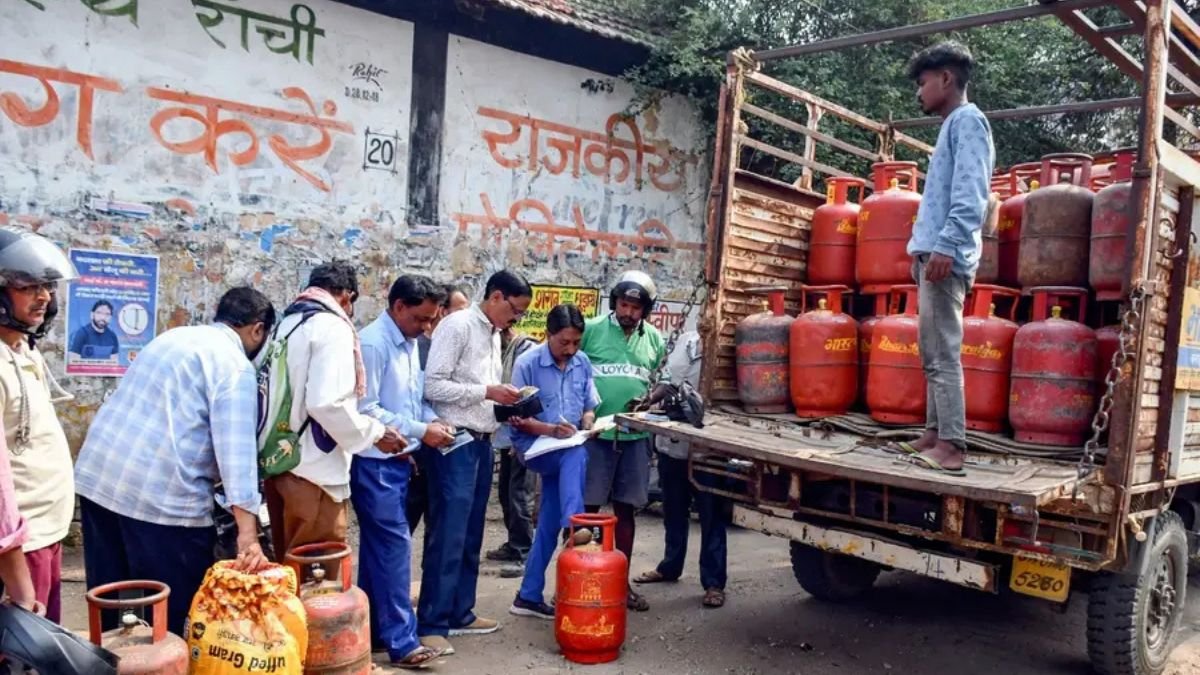
Alongside this reassurance, the government also announced revised LPG delivery timelines and the reintroduction of kerosene supply in some regions to strengthen energy access for households.
Government Reassures Citizens About Fuel Availability
The growing geopolitical tensions in the Middle East, particularly around the Strait of Hormuz, have raised concerns worldwide because the region is one of the most important oil transit routes.
However, Sujata Sharma, Joint Secretary in the Petroleum Ministry, confirmed that India’s energy supplies remain stable. According to officials:
- India currently uses about 5.5 million barrels of crude oil daily
- The country has secure supply arrangements
- There is no shortage of petrol, diesel, or LPG
India has also built a strong energy infrastructure over the years. It is currently the fourth-largest oil refining nation in the world, giving it the capacity to process large volumes of crude oil domestically.
India’s Growing Domestic Energy Production
In addition to imports, India has increased its domestic crude oil production, which now contributes around 28% of the country’s total energy requirements.
This growth helps reduce dependency on foreign supplies and strengthens the country’s energy security.
Government officials emphasized that strategic planning and diversified energy sources have helped India maintain stable fuel availability even during global supply disruptions.
LPG Cylinder Supply Timelines Announced
As part of the government’s announcement, new guidelines were issued regarding LPG cylinder delivery timelines.
Under the revised plan:
- Urban areas will receive LPG cylinders within 25 days
- Rural areas may receive LPG cylinders within 45 days
These timelines are designed to ensure consistent supply across both cities and villages while managing logistics efficiently.
Officials clarified that LPG availability remains normal, and the new schedule aims to improve delivery planning rather than address shortages.
Kerosene Supply to Support Energy Needs
The government has also decided to reintroduce kerosene supply in certain regions to ensure energy availability for households that still rely on it.
According to the announcement:
- States will receive approximately 48,000 litres of kerosene
- The fuel will be distributed through state authorities
Kerosene remains an important energy source in remote or economically weaker regions, particularly where LPG or electricity access may still be limited.
This move is intended to provide additional energy support and ensure that vulnerable households are not affected by potential supply disruptions.
Strategic Measures to Handle Global Energy Risks
The government’s latest announcement reflects India’s strategy to prepare for global energy uncertainties.
Key measures include:
- Maintaining strategic petroleum reserves
- Diversifying crude oil import sources
- Strengthening domestic refining capacity
- Supporting rural energy needs through alternative fuels
These steps aim to ensure that citizens continue to receive essential fuel supplies even during global crises.
Impact on Households and Energy Security
For ordinary citizens, the government’s announcement means that there is no immediate need to worry about fuel shortages.
Petrol, diesel, and LPG supplies remain stable, and additional support measures like kerosene distribution will help maintain energy access in rural and remote areas.
The government’s proactive approach is designed to protect households from sudden energy disruptions and maintain confidence in the country’s fuel supply system.
Conclusion
Despite rising tensions in the Middle East and concerns over shipping disruptions in the Strait of Hormuz, India’s energy supply remains stable and secure.
With daily crude oil consumption of 5.5 million barrels and strong domestic refining capabilities, the country is well positioned to handle global supply challenges.
The government’s announcement of LPG delivery timelines and kerosene distribution further reinforces its commitment to ensuring reliable energy access for all citizens.
Through strategic planning and diversified energy sources, India aims to maintain stable fuel availability and safeguard national energy security during uncertain global conditions.
FAQs
Is there a shortage of petrol or LPG in India?
No. The government has confirmed that fuel supplies are stable, and there is currently no shortage of petroleum products.
What are the new LPG delivery timelines?
Under the revised guidelines, LPG cylinders will be delivered within 25 days in cities and up to 45 days in rural areas.
Why is the government reintroducing kerosene supply?
The government plans to distribute 48,000 litres of kerosene to support households in regions where LPG or electricity access may be limited.