
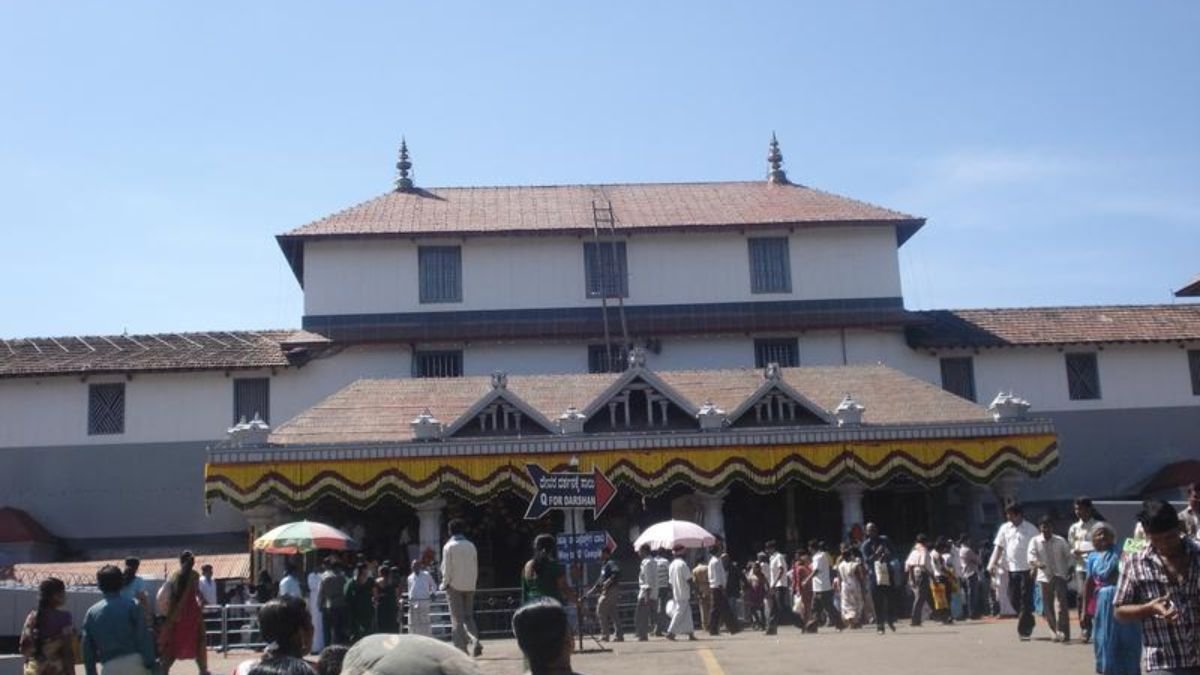
Hemkut – Ratnakut Tirth is one of the serene and spiritually uplifting Jain pilgrimage sites in India.
Revered by the Jain community for its peaceful surroundings, sacred idols, and spiritual vibrations, this tirth stands as a symbol of devotion, austerity, and inner purification.
Nestled amidst natural beauty, Hemkut Ratnakut Tirth attracts devotees who seek meditation, penance, and divine blessings.
The tirth is known not only for its religious importance but also for its architectural elegance and tranquil environment.
Pilgrims believe that visiting this sacred place helps cleanse karmic bonds and strengthens faith in the teachings of Jain Tirthankaras.
Historical Background and Origin
The origin of Hemkut – Ratnakut Tirth is deeply rooted in Jain traditions and spiritual heritage. According to Jain beliefs, many sacred hills and elevated places have been centers of meditation for monks and ascetics.
The name “Hemkut” suggests a golden or auspicious peak, while “Ratnakut” symbolizes a mound or mountain of jewels — spiritually interpreted as a place rich in virtues and divine energy.
Historically, the site is believed to have been established centuries ago by devout Jain followers who wished to create a peaceful space for worship and contemplation. Over time, the temple complex was renovated and developed by dedicated Jain trusts and devotees.
The idols installed at the tirth are considered ancient and spiritually powerful. The primary deity is usually a revered Jain Tirthankar, worshipped with deep faith and ritual purity.
Spiritual Significance
A Place of Inner Awakening
Hemkut – Ratnakut Tirth is regarded as a place where devotees can connect deeply with their inner self. Jain philosophy emphasizes non-violence (Ahimsa), truth (Satya), non-attachment (Aparigraha), and self-discipline. Pilgrims visiting this tirth often engage in:
- Meditation (Samayik)
- Prayers and chanting (Stavan, Navkar Mantra)
- Fasting and penance
- Spiritual discourses
The peaceful hill environment enhances concentration and spiritual focus. Many devotees believe that performing religious rituals at this tirth yields immense spiritual merit (Punya).
Architectural Beauty


The architecture of Hemkut – Ratnakut Tirth reflects traditional Jain temple design. The structure typically includes:
- Beautifully carved marble pillars
- Ornate domes
- Intricate stone craftsmanship
- Sanctum (Garbha Griha) housing the main idol
Jain temples are known for their symmetry and purity in design. The temple complex at Hemkut Ratnakut Tirth maintains these principles. The calm white marble structures symbolize purity and detachment.
The placement of the temple on elevated terrain enhances its divine aura. The climb to the temple is often seen as symbolic of spiritual ascent — rising above worldly attachments toward liberation (Moksha).
Main Deity and Religious Practices
The principal idol installed at Hemkut – Ratnakut Tirth is a Tirthankar, usually depicted in either Padmasana (lotus posture) or Kayotsarga (standing meditation posture). The idol is crafted with serene facial expressions symbolizing peace and enlightenment.
Daily Rituals Include:
- Snatra Puja
- Abhishek (ritual bathing of idol)
- Aarti
- Mangal Divo
- Recitation of Jain scriptures
Special religious gatherings are organized during major Jain festivals such as:
- Mahavir Jayanti
- Paryushan Parva
- Kartik Purnima
- Diwali (Jain New Year)
During these occasions, thousands of devotees gather to offer prayers and participate in spiritual programs.
Importance in Jain Pilgrimage
Hemkut – Ratnakut Tirth holds a respected position among Jain pilgrimage centers. Though not as large as some major tirths, its spiritual tranquility makes it unique. Devotees consider it ideal for:
- Short spiritual retreats
- Family pilgrimage
- Religious vows and fasting
- Meditation camps
Pilgrimage (Tirth Yatra) in Jainism is believed to purify the soul and reduce karmic burdens. Visiting sacred hills and temples strengthens devotion and reinforces Jain ethical principles.
Natural Surroundings and Environment


One of the most striking features of Hemkut – Ratnakut Tirth is its peaceful natural setting. Surrounded by hills and greenery, the environment offers:
- Fresh air
- Scenic landscapes
- Silence conducive to meditation
- Spiritual calmness
The climb to the temple often involves steps, symbolizing the gradual journey toward spiritual enlightenment. Many pilgrims chant mantras while ascending the hill, turning the journey itself into a meditative practice.
Facilities for Pilgrims
The management trust of Hemkut – Ratnakut Tirth ensures that pilgrims are provided with essential amenities such as:
- Dharamshala (accommodation)
- Bhojanshala (pure Jain food facility)
- Clean drinking water
- Parking facilities
- Prayer halls
The food served is strictly Jain, prepared without root vegetables, following traditional dietary guidelines. The simplicity of accommodation reflects Jain values of minimalism and non-attachment.
Cultural and Community Role
Beyond being a religious center, Hemkut – Ratnakut Tirth serves as a hub for community bonding. Jain families often organize:
- Religious ceremonies
- Diksha programs
- Group pilgrimages
- Youth spiritual camps
It plays a crucial role in preserving Jain heritage and educating younger generations about the principles of Jainism.
Symbolism of Hemkut and Ratnakut
The names themselves carry symbolic meaning:
- Hemkut (Golden Peak) represents purity, brilliance, and spiritual wealth.
- Ratnakut (Jewel Hill) symbolizes the treasure of virtues and wisdom.
Together, the name reflects a sacred place where spiritual jewels — faith, discipline, and compassion — are cultivated.
Why Devotees Visit Hemkut – Ratnakut Tirth
Devotees visit this sacred site for various reasons:
- To seek blessings for family well-being
- To observe religious fasts
- To perform rituals for spiritual progress
- To experience peace away from city life
- To strengthen their connection with Jain teachings
Many visitors describe a deep sense of calm and positivity after spending time at the tirth.
Bottom Line
Hemkut – Ratnakut Tirth stands as a serene embodiment of Jain spirituality, architectural beauty, and moral values.
With its peaceful hilltop setting, sacred idol, and devotional atmosphere, the tirth offers pilgrims a space for reflection and inner purification.
It symbolizes the journey from worldly distractions to spiritual awakening. Whether one visits for prayer, meditation, or cultural connection, Hemkut – Ratnakut Tirth leaves a lasting impression of peace and devotion.
For followers of Jainism, it remains a treasured spiritual destination — a true “mountain of jewels” in both name and spirit.
FAQs
1. Where is Hemkut – Ratnakut Tirth located?
Hemkut – Ratnakut Tirth is a Jain pilgrimage site located in India, known for its hilltop temple and peaceful surroundings.
2. What is the main deity of Hemkut – Ratnakut Tirth?
The main deity is a Jain Tirthankar idol, worshipped in meditative posture.
3. Why is Hemkut – Ratnakut Tirth important?
It is important for spiritual purification, meditation, and Jain religious rituals.
4. Are accommodation facilities available at the tirth?
Yes, dharamshala and bhojanshala facilities are available for pilgrims.
5. What is the best time to visit Hemkut – Ratnakut Tirth?
Jain festivals like Paryushan and Mahavir Jayanti are ideal times to visit, though it can be visited year-round.