
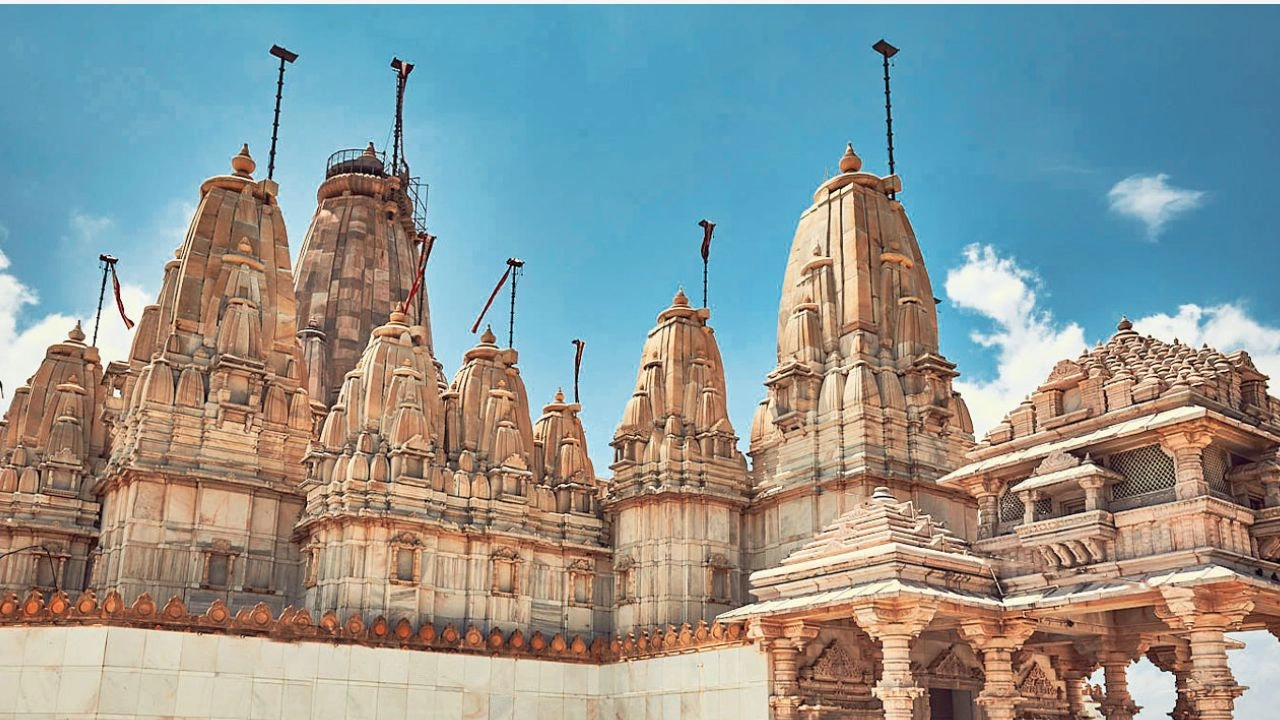


Hastagiri Tirth is a revered Jain pilgrimage destination known for its spiritual atmosphere, historical legacy, and architectural beauty. Nestled in a peaceful natural setting, this sacred Jain tirth attracts devotees seeking reflection, devotion, and a deeper connection with Jain philosophy. Over time, Hastagiri Tirth has emerged as an important site in Jain religious tourism, drawing pilgrims from different regions.
This detailed guide explores the historical background of Hastagiri Tirth, its religious significance, temple architecture, pilgrimage experience, visitor facilities, and why it continues to be a meaningful spiritual landmark.
Historical Background of Hastagiri Tirth
Hastagiri Tirth holds an important place in Jain tradition. The term “Giri” refers to a hill, symbolizing spiritual elevation and detachment from worldly distractions. Many Jain sacred sites are located on elevated terrain, reflecting the journey toward higher consciousness.
Over the years, the development of Hastagiri Tirth has involved temple restoration, improved infrastructure, and expanded facilities for pilgrims. Community support has played a crucial role in maintaining the sanctity and growth of the site.
Architectural Features of Hastagiri Tirth


The architecture of Hastagiri Tirth reflects traditional Jain design principles. Marble craftsmanship, symmetrical layouts, and detailed carvings define the temple complex. The central sanctum typically houses the main idol, surrounded by pillared halls and ornately carved ceilings.
The use of white marble often symbolizes purity and spiritual clarity in Jain temple architecture. Every structural element is designed to foster calmness and focus during prayer.
Religious Significance of Hastagiri Tirth
Hastagiri Tirth serves as a center for devotion, meditation, and religious observances. Devotees visit to offer prayers, perform rituals, and seek blessings. The site may host significant Jain festivals and gatherings that strengthen community bonds.
Pilgrimage to sacred Jain tirths like Hastagiri is considered a spiritually uplifting act. It offers an opportunity to practice self-discipline, gratitude, and reflection.
Pilgrimage Experience
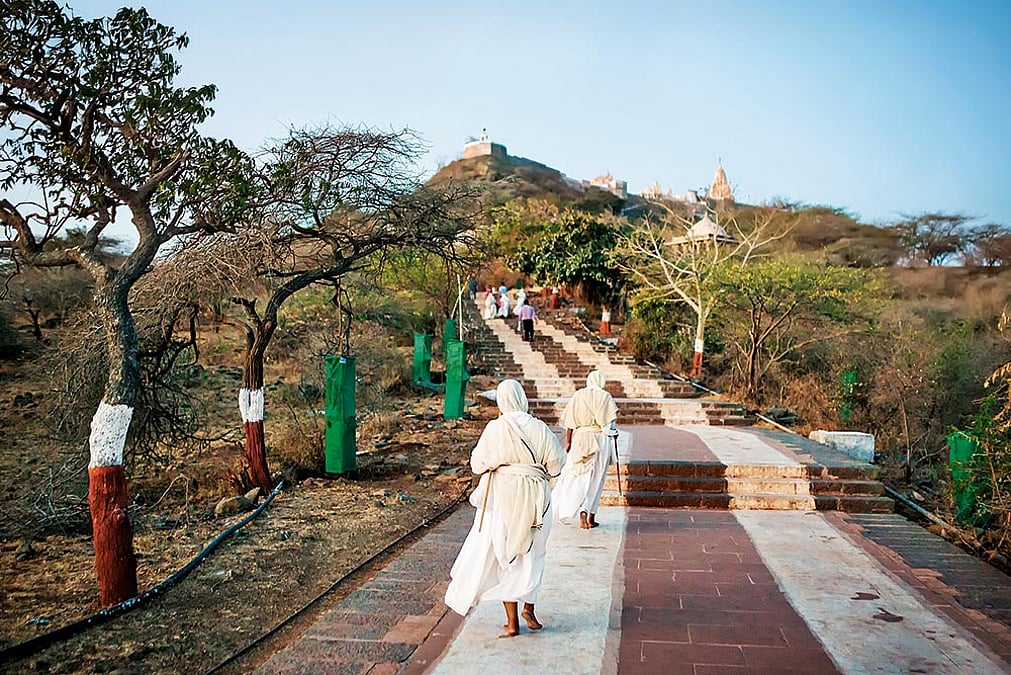


For many visitors, the journey to Hastagiri Tirth includes climbing steps leading to the temple. The ascent symbolizes spiritual progress and dedication.
Daily rituals often include morning prayers, abhishek ceremonies, and evening aarti. Participating in these rituals enhances the devotional experience and strengthens spiritual focus.
The serene hilltop or elevated surroundings provide an atmosphere of peace, allowing pilgrims to disconnect from daily stress.
Visitor Facilities at Hastagiri Tirth
Hastagiri Tirth generally offers basic amenities to accommodate pilgrims. Dharamshala facilities provide simple lodging arrangements designed to prioritize comfort and affordability.
Facilities may include:
• Clean accommodation rooms
• Vegetarian dining services
• Drinking water arrangements
• Parking areas
The simplicity of these facilities aligns with Jain principles of modest living.
Key Highlights of Hastagiri Tirth
| Feature | Description |
|---|---|
| Religious Tradition | Jainism |
| Location Setting | Hill or elevated terrain |
| Main Attraction | Sacred Jain temple and idol |
| Pilgrim Services | Dharamshala, food, parking |
| Spiritual Activities | Prayer, meditation, rituals |
This table summarizes the essential aspects of Hastagiri Tirth for visitors.
Best Time to Visit
Cooler months are generally more comfortable for pilgrimage. Many devotees prefer visiting during major Jain festivals such as Mahavir Jayanti or Paryushan, when the temple atmosphere becomes especially vibrant.
Planning a visit during these occasions offers a richer cultural and spiritual experience.
Cultural and Spiritual Impact
Hastagiri Tirth plays a role in preserving Jain heritage and strengthening community ties. Beyond religious rituals, the site fosters moral teachings centered on non-violence, compassion, and discipline.
Spending time at a sacred Jain pilgrimage destination like Hastagiri Tirth often encourages introspection and renewal.
Preservation and Future Outlook
Sustaining the sanctity of Hastagiri Tirth requires ongoing care, restoration efforts, and responsible tourism. As interest in spiritual travel grows, maintaining balance between accessibility and preservation becomes essential.
Community involvement ensures that future generations can continue to experience the spiritual significance of this sacred Jain site.