
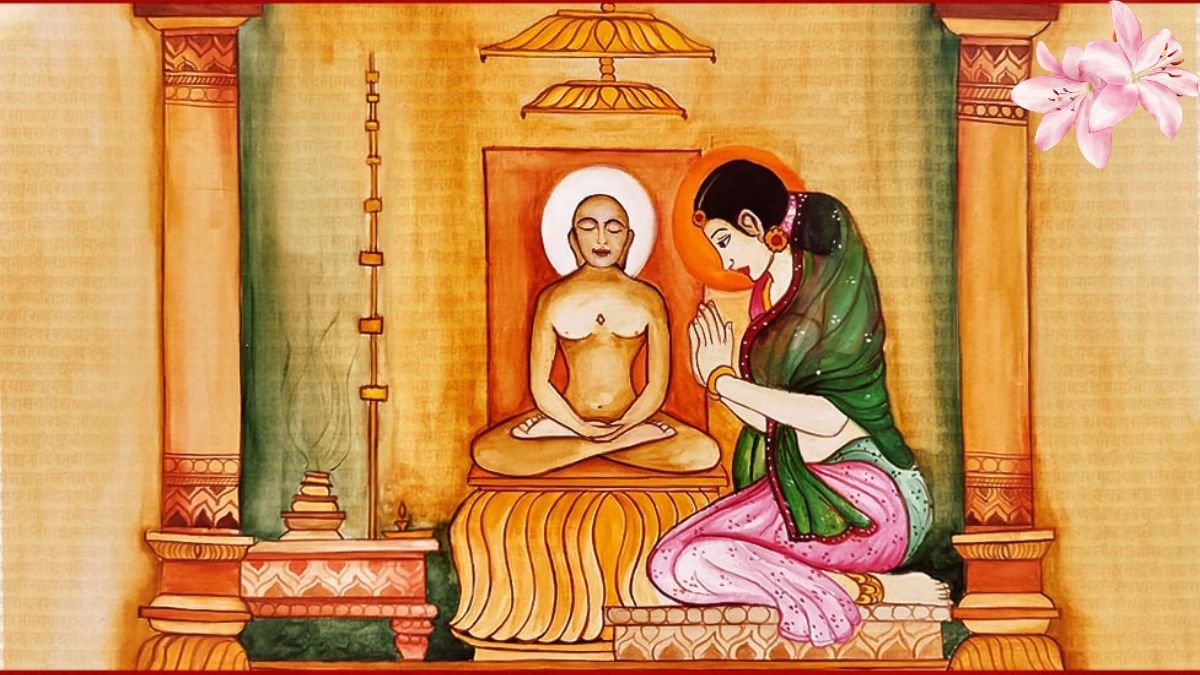
The story of Champa Shravika holds a special place in Jain religious literature and oral traditions. She is remembered as an ideal Shravika—a devoted laywoman follower of Jainism—who exemplified unwavering faith, deep compassion, and complete dedication to the principles of Ahimsa (non-violence), truth, and spiritual discipline.
Her life story is not merely a devotional narrative but a powerful moral lesson illustrating how spiritual greatness is not limited to monks and nuns but is equally attainable by householders through sincere practice and faith.
The Meaning of Shravika in Jainism
In Jainism, followers are divided into two broad categories:
- Shramana (Monks and Nuns) – Those who renounce worldly life.
- Shravaka and Shravika – Laymen and laywomen who follow Jain principles while living a household life.
A Shravika observes:
- The Five Minor Vows (Anuvratas)
- Regular fasting and penance
- Compassion toward all living beings
- Charity and service to monks and nuns
Champa Shravika is considered one of the finest examples of a true Shravika who lived these principles fully.
Origin and Historical Background
The story of Champa Shravika is associated with ancient Jain traditions and is often narrated in connection with the time of Jain Tirthankaras, particularly during periods when Jain teachings were spreading across kingdoms.
While exact historical dates are not firmly documented, the narrative is preserved in Jain scriptures and regional folklore, particularly among the Shwetambara Jain tradition.
Her story is symbolic rather than strictly historical. It emphasizes the spiritual potential of lay followers and highlights the important role women played in preserving and practicing Jain dharma.
Champa Shravika’s Early Life
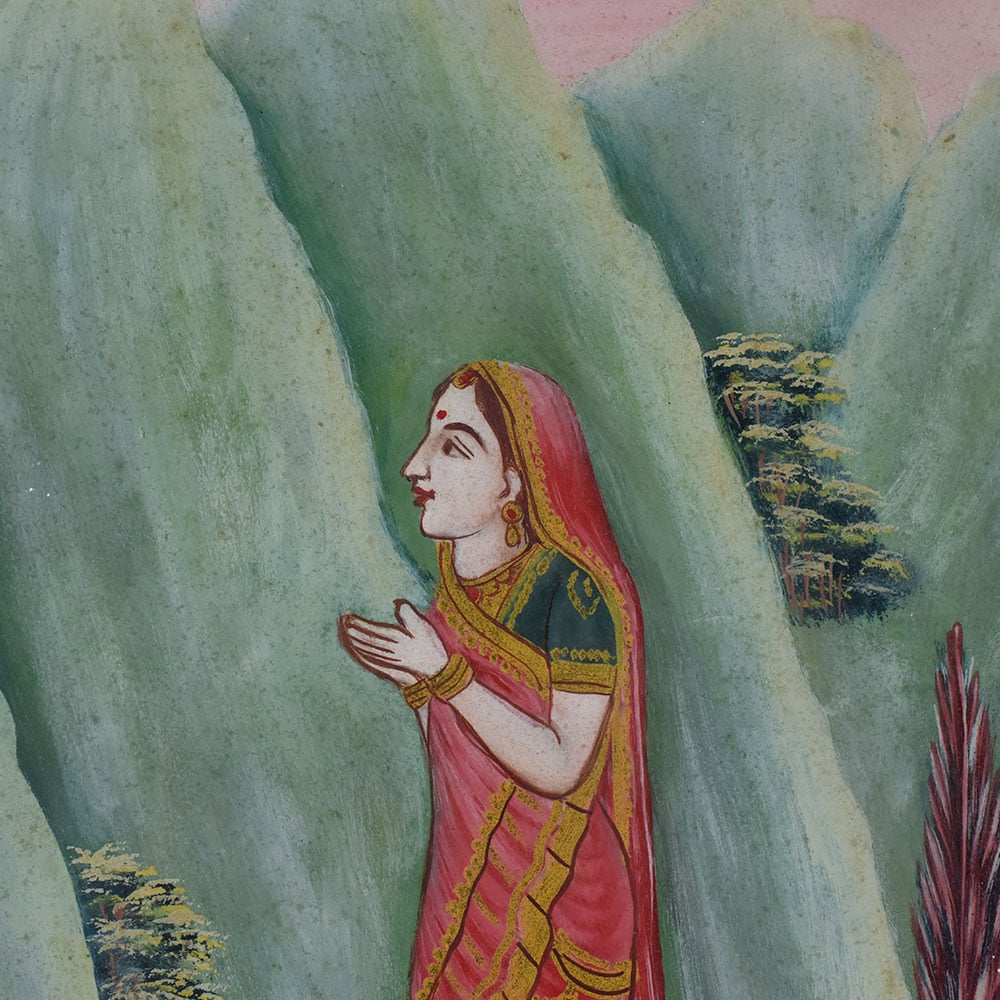

Champa was born into a wealthy and religious Jain family. From childhood, she showed signs of spiritual inclination. Unlike other children drawn toward material pleasures, she was attracted to:
- Temple rituals
- Listening to sermons of Jain monks
- Practicing meditation
- Observing fasts
Her parents ensured she received proper religious education, and she grew up deeply rooted in Jain values.
After marriage, she continued to uphold her spiritual discipline, balancing household duties with religious commitments—something that became a defining feature of her life.
Her Devotion to Jain Principles
Champa Shravika was known for her strict adherence to Jain ethical codes. She practiced:
1. Ahimsa (Non-Violence)
She was extremely careful not to harm even the smallest living beings. She filtered water, avoided night eating, and followed dietary discipline strictly.
2. Satya (Truthfulness)
She never spoke falsehood, even in situations that could have benefited her materially.
3. Aparigraha (Non-Possessiveness)
Despite being wealthy, she lived a simple life. She donated generously to monks, temples, and needy individuals.
4. Fasting and Penance
She observed:
- Upvas (Full fasting)
- Ekasan (One meal a day)
- Paryushan fasts
- Extended penance during holy days
Her penance was not for display but driven by deep internal faith.
The Famous Incident of Faith and Courage


One of the most significant parts of Champa Shravika’s story revolves around a test of her faith.
According to traditional narration, a powerful ruler or influential figure attempted to disturb her religious discipline. She was pressured to abandon her vows and compromise her principles.
However, Champa remained steadfast.
Even when threatened with punishment, humiliation, or loss of wealth, she refused to violate Jain teachings. Her calmness, spiritual strength, and unwavering devotion eventually moved the hearts of those who challenged her.
In some versions of the story, divine intervention is described—symbolizing that sincere faith always receives protection.
Spiritual Strength of a Householder
One of the central lessons of Champa Shravika’s story is that spiritual liberation (moksha) is not exclusive to ascetics.
Although she was not a nun, her:
- Discipline
- Faith
- Charity
- Compassion
Placed her on a high spiritual pedestal.
Jain philosophy teaches that householders can gradually purify their karma through sincere practice. Champa Shravika became a living example of this truth.
Importance of Champa Shravika in Jain Tradition
Her story holds importance for several reasons:
1. Empowerment of Women in Jainism
Champa’s life demonstrates that women have equal spiritual potential. Jainism has historically recognized women as capable of achieving high spiritual states.
2. Model for Lay Followers
She serves as a guide for modern Jain families, showing how to integrate spirituality with daily life.
3. Symbol of Steadfast Faith
Her refusal to compromise religious values even under pressure inspires courage.
4. Promotion of Ethical Living
Her life emphasizes:
- Simplicity
- Charity
- Non-violence
- Self-control
Moral and Spiritual Lessons from Her Story
The story of Champa Shravika teaches several timeless lessons:
Faith Over Fear
True devotion remains unshaken even during adversity.
Discipline Builds Character
Regular spiritual practices create inner strength.
Wealth Is Temporary, Dharma Is Eternal
Material prosperity should never overshadow spiritual duty.
Women as Spiritual Leaders
Her life challenges the misconception that spiritual greatness is gender-based.
Champa Shravika and Jain Festivals
Her story is often narrated during:
- Paryushan
- Ayambil Oli
- Religious pravachans (discourses)
- Women’s spiritual gatherings
During these occasions, her example is used to encourage self-restraint, penance, and moral living.
Relevance in Modern Times
Even today, Champa Shravika’s story remains deeply relevant.
In an age of:
- Consumerism
- Material competition
- Moral compromises
Her life reminds us that inner peace comes from spiritual discipline.
For modern Jain women and families, she represents:
- Balance between family and faith
- Strength in adversity
- Simplicity amidst abundance
Comparison with Other Jain Devotees
While Jain history includes many great women devotees, Champa Shravika is often mentioned alongside spiritually strong laywomen who maintained unwavering devotion without renouncing household life.
Her narrative stands as a bridge between monastic ideals and household practice.
Symbolism in Her Story
Champa Shravika symbolizes:
- Purity of intention
- Devotion without expectation
- Strength without aggression
- Faith without fear
Her character shows that spirituality is not about dramatic miracles but about quiet consistency.
Bottom Line
The story of Champa Shravika is a powerful spiritual narrative within Jain tradition. She represents the highest ideals of a Jain laywoman—discipline, devotion, compassion, and unwavering faith.
Her life proves that one does not need to renounce the world to live a spiritually elevated life. Through strict adherence to Jain principles and fearless commitment to truth and non-violence, she became a timeless inspiration.
In every era, her story continues to encourage individuals—especially women—to pursue righteousness with courage and inner strength.
FAQs
1. Who was Champa Shravika?
Champa Shravika was a devoted Jain laywoman known for her unwavering faith, strict discipline, and adherence to Jain principles.
2. Why is Champa Shravika important in Jainism?
She serves as a model for lay followers, especially women, demonstrating that spiritual excellence is achievable without renouncing household life.
3. What values did Champa Shravika practice?
She practiced non-violence, truthfulness, non-possessiveness, fasting, charity, and devotion to monks and temples.
4. Is Champa Shravika mentioned in Jain scriptures?
Her story is preserved mainly through Jain traditions, religious discourses, and folklore, especially within the Shwetambara community.
5. What lesson does her story teach modern society?
Her life teaches faith, discipline, simplicity, courage, and the importance of maintaining moral values despite challenges.