
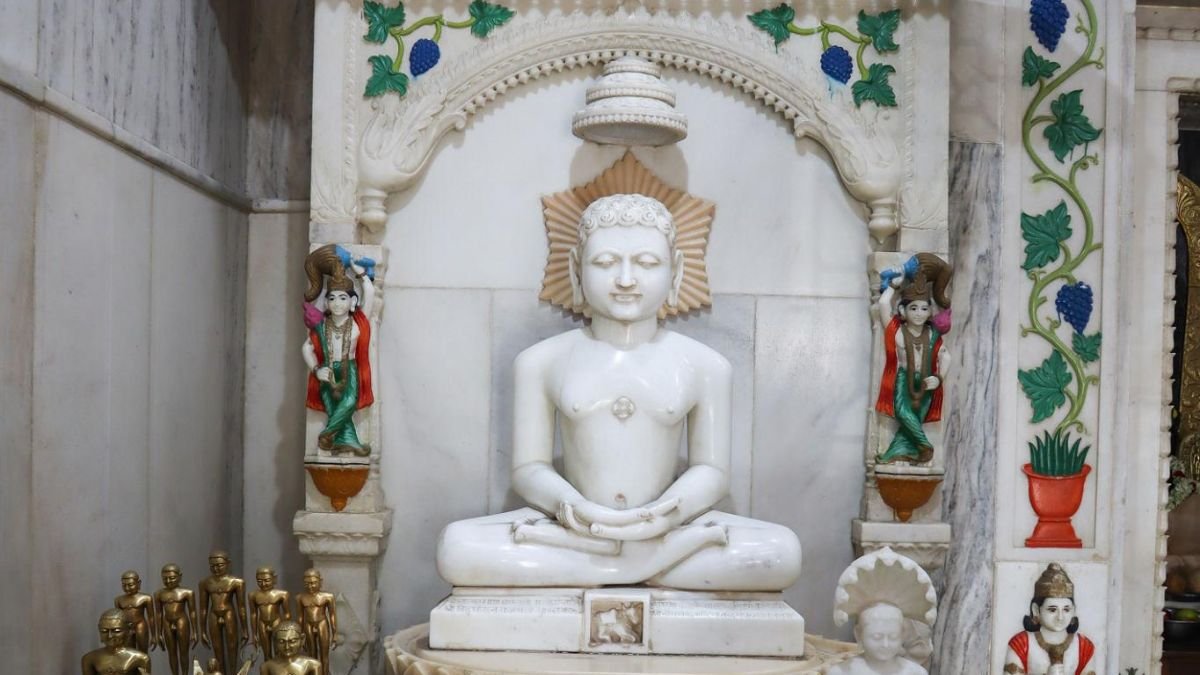
The story of Anupamadevi holds a revered place in Jain history and tradition. She is remembered not as a Tirthankara or ascetic, but as a noblewoman whose deep devotion, wisdom, and generosity helped shape one of the most magnificent temple complexes in India.
Anupamadevi’s life is closely associated with the famous Dilwara Temples of Mount Abu and the illustrious Porwad Jain brothers Vastupal and Tejpal.
Her story is a shining example of how faith, vision, and determination can leave a timeless legacy. In Jain tradition, she represents ideal womanhood—embodying devotion (bhakti), intelligence, and spiritual commitment.
Historical Background and Origin
Anupamadevi lived during the 13th century CE in Gujarat, a period marked by prosperity, trade expansion, and flourishing temple architecture under the Solanki (Chaulukya) rulers. She belonged to a respected Jain merchant family and later married into a powerful and influential household.
She is widely recognized as the wife of Tejpal, one of the two famous Jain brothers—Vastupal and Tejpal—who served as ministers in the court of the Vaghela rulers of Gujarat. These brothers were known for their wealth, philanthropy, and patronage of Jain temples.
Anupamadevi was not merely a silent partner in this legacy; Jain narratives describe her as the spiritual inspiration behind the construction of the Luna Vasahi Temple at Mount Abu.
Anupamadevi and the Dilwara Temples
Dilwara Temples

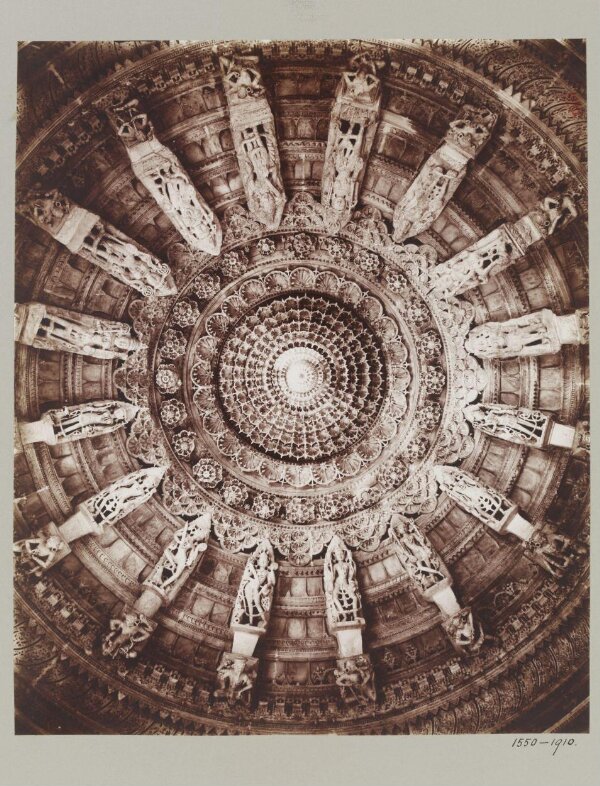

The Dilwara Temples, located at Mount Abu in Rajasthan, are considered masterpieces of marble architecture. Among the five temples in this complex, the Luna Vasahi Temple stands out for its exquisite carvings and intricate marble work.
This temple was built in 1230 CE by the brothers Vastupal and Tejpal and is dedicated to Neminatha, the 22nd Tirthankara of Jainism.
According to Jain legends, Anupamadevi played a pivotal role in motivating her husband Tejpal to undertake the temple’s construction. When Vastupal and Tejpal were blessed with immense wealth, Anupamadevi advised that true merit lies not in hoarding riches but in using them for religious and charitable purposes.
The Inspirational Dream and Divine Guidance
Jain narratives often mention that Anupamadevi had a divine vision or spiritual insight that inspired the building of the Luna Vasahi Temple. In her dream, she is believed to have seen a magnificent temple constructed in honor of Lord Neminatha.
Moved by this spiritual experience, she urged her husband to transform this vision into reality. Her guidance reflected deep spiritual understanding and unwavering faith.
Her role highlights an important aspect of Jain culture: women as spiritual guides and moral anchors within the household.
Architectural Marvel of Luna Vasahi


The Luna Vasahi Temple is particularly famous for:
- Intricately carved marble ceilings
- Detailed representations of elephants
- Decorative pillars and domes
- The stunning Rang Mandap (assembly hall)
The craftsmanship is so delicate that the marble appears almost translucent. It is said that artisans were paid according to the amount of marble dust they collected, encouraging extremely fine carving.
Though Vastupal and Tejpal are credited as the patrons, Jain tradition honors Anupamadevi as the guiding force whose spiritual wisdom gave birth to this architectural marvel.
Anupamadevi’s Role in Jain Society
Anupamadevi symbolizes several key values in Jain tradition:
1. Devotion (Bhakti)
Her faith in Jain teachings and Tirthankaras was unwavering.
2. Charity (Daan)
She promoted the use of wealth for religious and social welfare purposes.
3. Wisdom (Prajna)
Her counsel influenced major philanthropic decisions.
4. Empowerment of Women
Her story reflects the respected position of spiritually evolved women in Jain society.
Unlike many historical figures whose contributions are limited to domestic roles, Anupamadevi’s impact extended to large-scale religious architecture and cultural heritage.
Connection with Neminatha
Neminatha

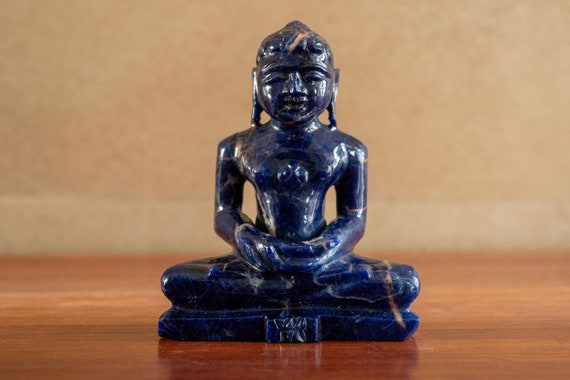

The Luna Vasahi Temple is dedicated to Lord Neminatha, the 22nd Tirthankara. Neminatha is associated with renunciation and compassion, particularly toward animals.
The temple’s dedication to Neminatha aligns with Anupamadevi’s values of non-violence (Ahimsa), detachment, and devotion. Her inspiration to build a temple dedicated to such a Tirthankara reflects her deep understanding of Jain philosophy.
Cultural and Religious Importance
Anupamadevi’s story is important for several reasons:
1. Preservation of Jain Heritage
Her influence contributed to one of India’s most treasured temple complexes.
2. Architectural Legacy
The Dilwara Temples are considered among the finest examples of marble carving in the world.
3. Inspiration for Devotees
Her life encourages the use of wealth for spiritual growth and community welfare.
4. Role Model for Women
She stands as a powerful example of women’s spiritual leadership in medieval India.
Moral Lessons from Anupamadevi’s Story
The story of Anupamadevi teaches:
- Wealth is temporary, but good deeds are eternal.
- Spiritual vision can create lasting cultural monuments.
- Women play essential roles in religious and social advancement.
- Devotion combined with action leads to meaningful legacy.
Her life reflects the Jain principle that right faith (Samyak Darshan) leads to right action (Samyak Charitra).
Legacy in Modern Times
Even today, thousands of pilgrims visit the Dilwara Temples each year. While tourists admire the architecture, Jain devotees remember Anupamadevi as the spiritual force behind the temple’s creation.
Her legacy lives not only in marble carvings but also in Jain literature and oral traditions. She represents how devotion and vision can transform material wealth into spiritual treasure.
Bottom Line
The story of Anupamadevi is one of devotion, wisdom, and lasting impact. Though she was not a Tirthankara or ascetic, her contribution to Jain heritage is immense. Through her guidance and inspiration, the magnificent Luna Vasahi Temple came into existence, standing today as a timeless symbol of faith and artistic excellence.
Anupamadevi’s life reminds us that true greatness lies not in power or position but in using one’s resources for noble purposes. Her story continues to inspire generations with its message of devotion, charity, and spiritual leadership.
FAQs
1. Who was Anupamadevi?
Anupamadevi was the wife of Tejpal, a Jain minister in 13th-century Gujarat, and is known as the inspiration behind the Luna Vasahi Temple at Mount Abu.
2. What is Anupamadevi famous for?
She is famous for inspiring the construction of the Luna Vasahi Temple in the Dilwara Temple complex.
3. Which Tirthankara is associated with her story?
Her story is closely associated with Lord Neminatha, the 22nd Tirthankara of Jainism.
4. Where are the Dilwara Temples located?
The Dilwara Temples are located at Mount Abu in Rajasthan, India.
5. Why is Anupamadevi important in Jain history?
She symbolizes devotion, charity, and the influential spiritual role of women in Jain tradition.