
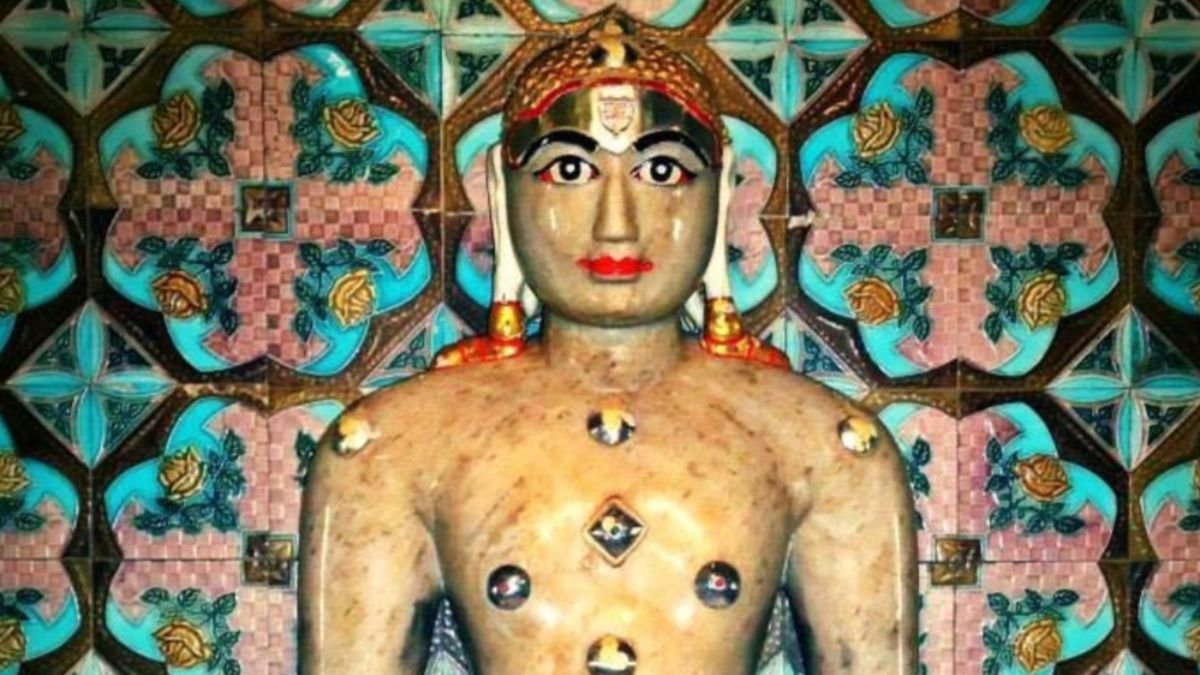
Padma Prabhu Bhagwan, also known as Padmaprabha, is the sixth Tirthankara of Jainism. In Jain tradition, Tirthankaras are spiritual teachers who have attained Kevala Jnana (omniscience) and guide souls toward liberation (moksha). The word Padma means lotus, and Prabha means radiance or light, symbolizing purity and spiritual brilliance.
He is revered in both the Digambara and Śvētāmbara traditions of Jainism and occupies a significant place in Jain cosmology and spiritual history.
Birth and Early Life
Birthplace and Lineage
According to Jain scriptures, Padma Prabhu was born in Kausambi (Kaushambi) in present-day Uttar Pradesh, India. He was born into the royal Ikshvaku dynasty.
- Father: King Dharanendra
- Mother: Queen Susima
Before his birth, Queen Susima experienced auspicious dreams—an important sign in Jain tradition indicating the birth of a Tirthankara. These dreams symbolized purity, strength, and divine grace.
The Significance of the Lotus
The lotus (Padma) became his identifying emblem. In Jain iconography, each Tirthankara has a unique symbol to help devotees distinguish between them. The lotus represents:
- Purity amid worldly impurities
- Spiritual awakening
- Detachment from material life
Renunciation and Spiritual Journey
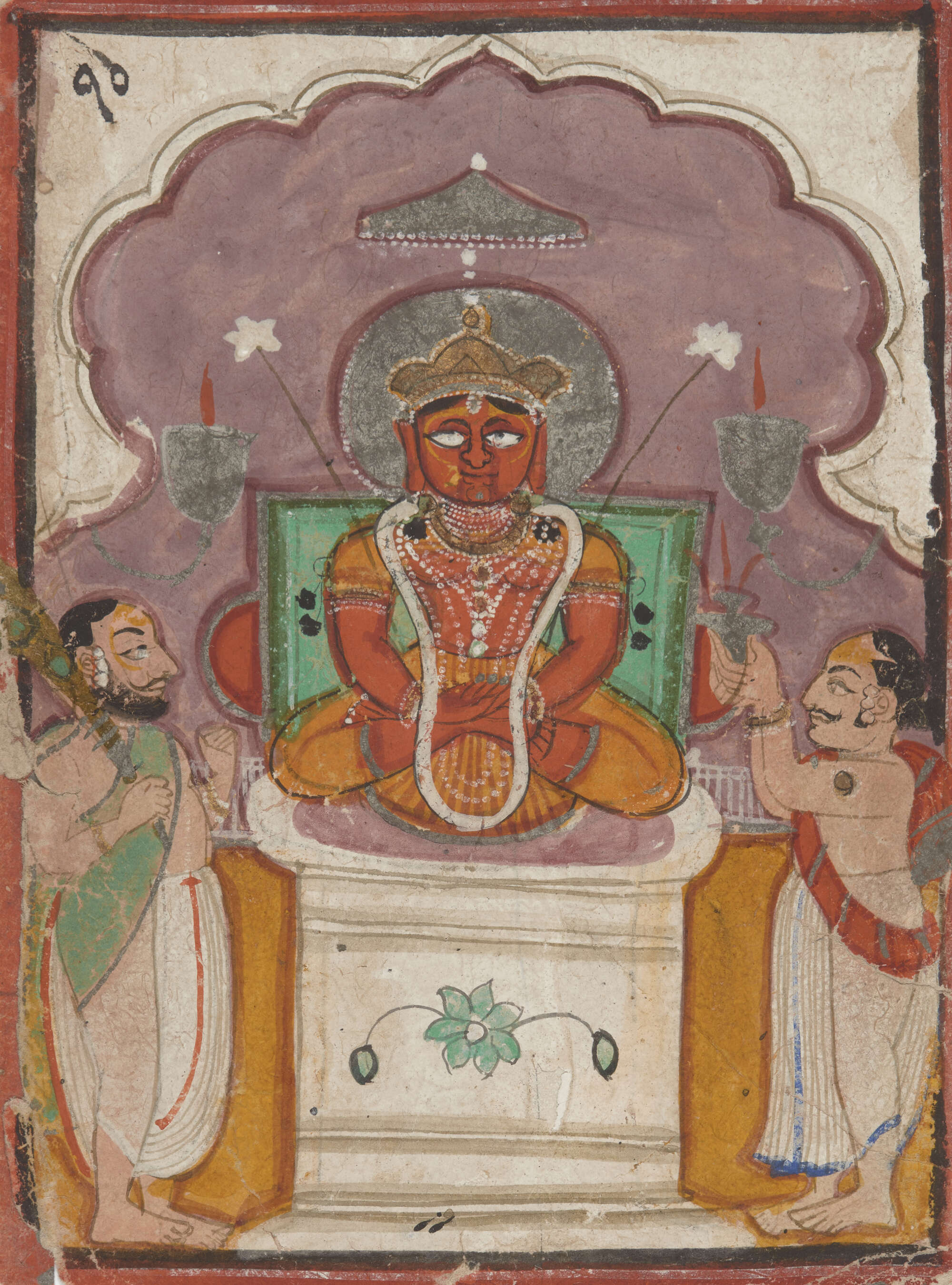


Like other Tirthankaras, Padma Prabhu lived a life of royal comfort before renouncing worldly pleasures. Inspired by the transient nature of life, he chose the path of asceticism.
Renunciation
At an appropriate age, he renounced his kingdom and adopted the life of a monk. His renunciation was marked by:
- Abandonment of royal attire
- Acceptance of vows of non-violence and truth
- Commitment to severe penance
Attainment of Kevala Jnana
Through intense meditation and spiritual discipline, Padma Prabhu attained Kevala Jnana, the highest form of knowledge in Jain philosophy. This state represents complete enlightenment and freedom from karmic bondage.
After attaining omniscience, he delivered sermons guiding countless souls toward the path of ahimsa (non-violence), satya (truth), aparigraha (non-possessiveness), and self-restraint.
Teachings and Philosophy
Core Principles
Padma Prabhu emphasized the eternal Jain principles:
- Ahimsa (Non-Violence): Avoid harm to all living beings.
- Anekantavada (Multiplicity of viewpoints): Truth is multi-faceted.
- Aparigraha (Non-attachment): Freedom from material possessions.
- Self-Discipline: Control of desires and passions.
His teachings contributed to strengthening the Jain ethical framework that continues to guide followers today.
Iconography and Symbolism


Padma Prabhu is commonly depicted in:
- Red complexion (symbolizing the lotus)
- Meditative posture (Padmasana or Kayotsarga)
- A lotus symbol engraved beneath the idol
Distinct Features
- Emblem: Lotus
- Color: Red
- Yaksha: Kusuma
- Yakshini: Manovega
These iconographic elements help devotees identify and worship him properly in Jain temples.
Nirvana and Liberation
Padma Prabhu attained moksha (liberation) at Sammed Shikharji (now Parasnath Hills in Jharkhand), one of the holiest Jain pilgrimage sites. This sacred hill is associated with the nirvana of 20 Tirthankaras.
His liberation signifies the complete release from the cycle of birth and death (samsara).
Importance in Jain Tradition
Spiritual Inspiration
Padma Prabhu Bhagwan is a symbol of:
- Inner purity
- Calmness and radiance
- Detachment from material life
Pilgrimage and Worship
Many Jain temples across India enshrine his idol. Devotees perform:
- Abhisheka (ritual bathing)
- Aarti
- Meditation and chanting
His life story inspires followers to cultivate discipline, compassion, and self-realization.
Role Among the 24 Tirthankaras
Jainism recognizes 24 Tirthankaras in the current time cycle. As the sixth Tirthankara, Padma Prabhu plays a crucial role in continuing the spiritual lineage after the fifth Tirthankara, Sumatinatha, and before the seventh, Suparshvanatha.
Each Tirthankara re-establishes dharma during periods when true religion declines. Padma Prabhu contributed to this restoration of spiritual order.
Festivals and Commemoration
Birth Anniversary (Janma Kalyanak)
Jains celebrate the Janma Kalyanak of Padma Prabhu with:
- Temple decorations
- Religious discourses
- Community prayers
- Acts of charity
The celebration reinforces devotion and reminds followers of his divine qualities.
Cultural and Historical Context
Although Jain tradition describes Tirthankaras as ancient spiritual figures from previous cosmic cycles, their narratives shape Indian religious and cultural heritage. Padma Prabhu’s story reflects:
- Ancient Indian royal traditions
- Ascetic ideals
- Ethical living rooted in non-violence
His teachings align with the broader Jain commitment to peace, environmental harmony, and spiritual awakening.
Bottom Line
Padma Prabhu Bhagwan, the sixth Tirthankara of Jainism, stands as a radiant symbol of purity, enlightenment, and spiritual strength. Born into royalty yet choosing renunciation, he demonstrated that liberation is attainable through discipline, meditation, and detachment.
His lotus emblem beautifully represents rising above worldly impurities, inspiring millions of Jain devotees to walk the path of righteousness. Through his teachings of non-violence, truth, and self-restraint, Padma Prabhu continues to illuminate the spiritual journey of seekers across generations.
Frequently Asked Questions
1. Who was Padma Prabhu Bhagwan?
Padma Prabhu was the sixth Tirthankara of Jainism who attained omniscience and taught the path to liberation.
2. What is the symbol of Padma Prabhu?
His symbol is the lotus (Padma), representing purity and spiritual awakening.
3. Where was Padma Prabhu born?
He was born in Kausambi in present-day Uttar Pradesh, India.
4. Where did Padma Prabhu attain nirvana?
He attained moksha at Sammed Shikharji (Parasnath Hills).
5. What are his main teachings?
His teachings focus on non-violence, truth, non-attachment, and self-discipline.