
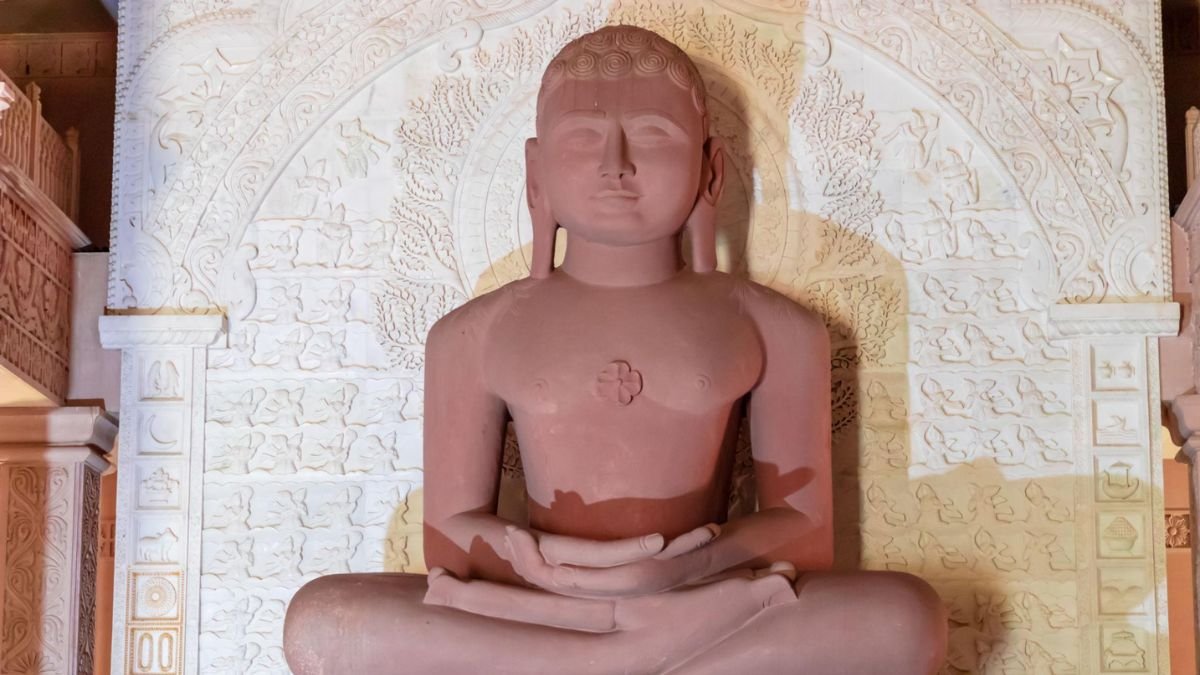
Abhinandan Bhagwan, also known as Abhinandannath, is revered as the fourth Tirthankara of Jainism in the current avasarpiṇī (descending time cycle). In Jain tradition, Tirthankaras are enlightened spiritual teachers who have conquered worldly attachments and shown the path to liberation (moksha). Abhinandan Bhagwan occupies a sacred place in Jain philosophy and devotion, embodying virtues such as renunciation, self-discipline, compassion, and spiritual wisdom.
This article provides a comprehensive overview of Abhinandan Bhagwan, including his origin, life events, spiritual significance, symbolism, and enduring importance in Jainism.
Who Is Abhinandan Bhagwan?
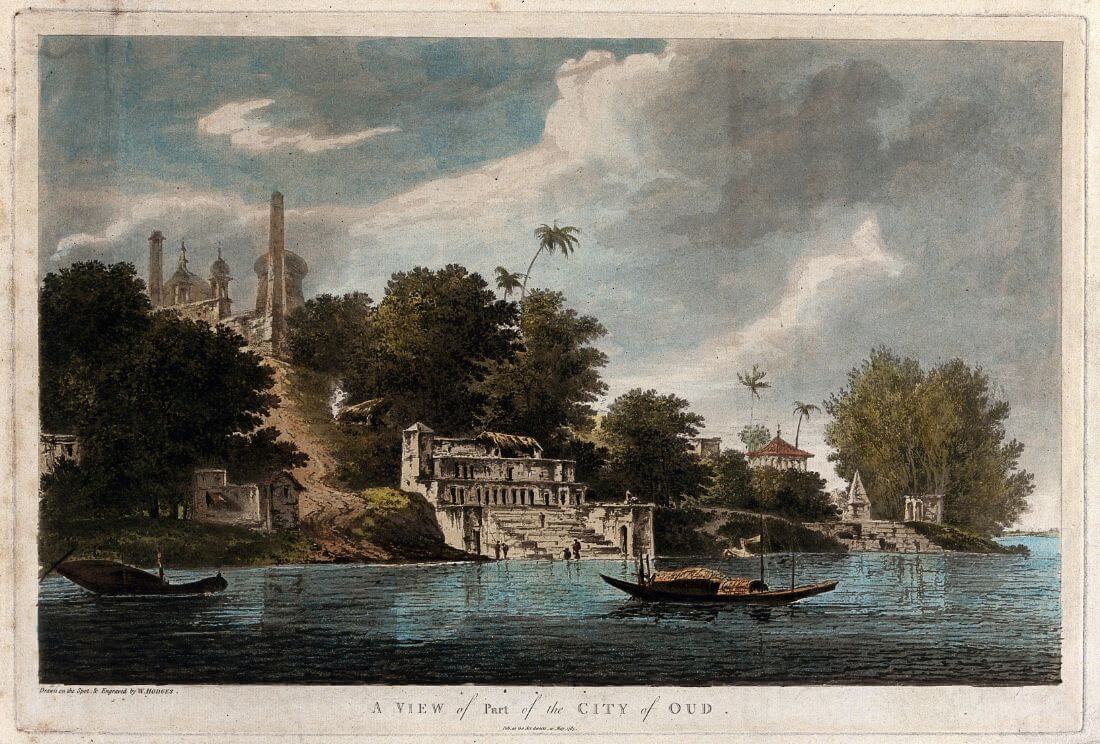
Abhinandannath was born in Ayodhya, an ancient and sacred city in India. According to Jain scriptures, he was the son of King Samvara (or Samvar) and Queen Siddhartha. His birth is described as auspicious and filled with divine celebrations, signifying the arrival of a great spiritual soul destined to guide humanity.
The name “Abhinandan” means “celebration” or “congratulations,” reflecting the joy and festivity that accompanied his birth.
Historical and Mythological Context
In Jain cosmology, time moves in eternal cycles of ascent (utsarpiṇī) and descent (avasarpiṇī). Each half-cycle produces 24 Tirthankaras. Abhinandan Bhagwan is the fourth of the 24 Tirthankaras in the current descending time cycle.
The sequence of the first four Tirthankaras is:
- Rishabhanatha (Adinath)
- Ajitanatha
- Sambhavanatha
- Abhinandannath
These early Tirthankaras laid the foundation for Jain ethical and spiritual principles, especially the ideals of non-violence (ahimsa) and detachment.
Birth and Early Life

According to Jain texts, Abhinandan Bhagwan was born on the 13th day of the bright half of the month of Magha. His birth is celebrated by Jain devotees with devotion and religious observances.
From a young age, he exhibited qualities of compassion, wisdom, and detachment. Though raised in royal luxury, he remained spiritually inclined and aware of the transient nature of worldly pleasures.
Renunciation and Spiritual Journey
Like other Tirthankaras, Abhinandan Bhagwan eventually renounced worldly life. After fulfilling his duties as a ruler, he chose the path of asceticism. Renunciation (diksha) is a pivotal moment in the life of every Tirthankara.
He adopted a life of strict austerity, meditation, and self-discipline. Through intense penance and deep meditation, he conquered internal enemies such as anger, pride, deceit, and greed.
His journey represents the Jain ideal that liberation is attained not by divine intervention but through personal effort, self-control, and ethical conduct.
Attainment of Kevala Jnana
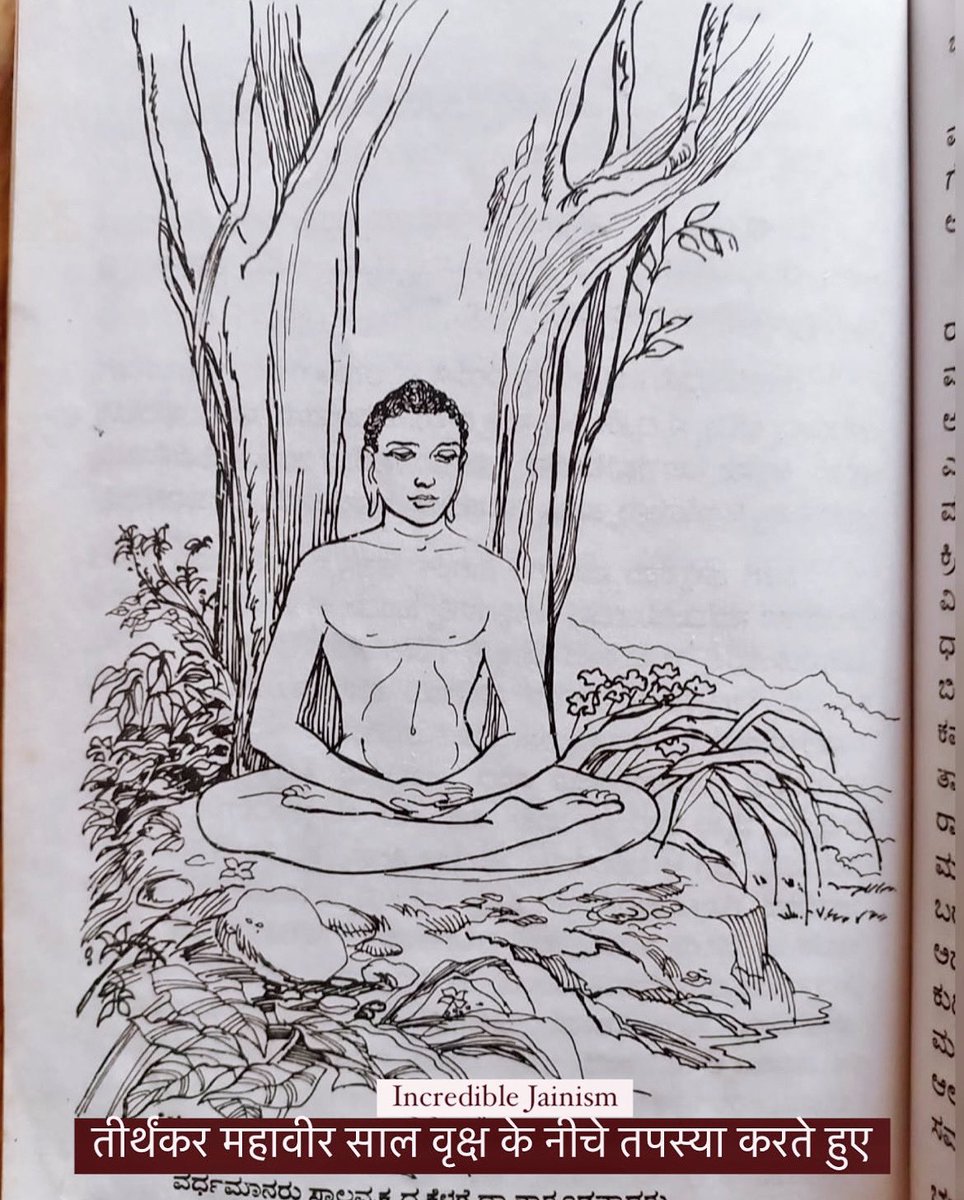


After years of spiritual practice, Abhinandan Bhagwan attained Kevala Jnana (omniscience). This is the state of perfect knowledge and perception, free from karmic bondage.
Upon attaining Kevala Jnana, he delivered sermons in the Samavasarana, a divine preaching hall created by celestial beings. His teachings emphasized:
- Ahimsa (Non-violence)
- Satya (Truthfulness)
- Aparigraha (Non-possessiveness)
- Brahmacharya (Celibacy)
- Asteya (Non-stealing)
These principles form the core ethical foundation of Jainism.
Symbol and Iconography
Each Tirthankara is associated with a specific symbol (lāñchhana) for identification in art and worship.
- Symbol (Lanchhana): Monkey
- Color Association: Golden
- Tree of Enlightenment: Priyangu Tree
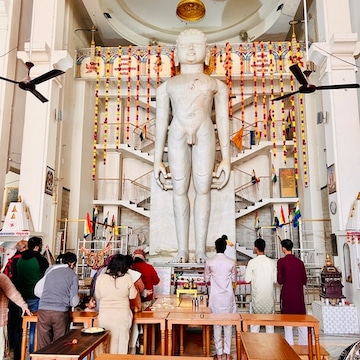
The monkey symbol represents agility and alertness, symbolizing the disciplined control of the restless mind. In Jain temples, Abhinandan Bhagwan is depicted seated in Padmasana (lotus posture) or standing in Kayotsarga (meditative posture).
Nirvana and Liberation
After spreading the path of righteousness and guiding countless souls, Abhinandan Bhagwan eventually attained Nirvana (Moksha). Liberation in Jainism means complete freedom from the cycle of birth and death.
His nirvana marks the culmination of a perfect spiritual journey — one that serves as a model for aspirants seeking spiritual awakening.
Philosophical Significance
Abhinandan Bhagwan’s life reinforces key Jain doctrines:
1. Self-Realization Through Effort
Jainism teaches that every soul has the potential to become a Tirthankara through purification and discipline.
2. Detachment from Materialism
Despite royal birth, he renounced power and luxury, highlighting the impermanence of worldly pleasures.
3. Equality of Souls
Jain philosophy emphasizes that all living beings possess a soul and deserve compassion and respect.
Worship and Devotional Practices


Devotees worship Abhinandan Bhagwan through:
- Temple visits
- Recitation of stotras and mantras
- Observing fasts
- Participating in religious festivals
While Tirthankaras are not worshipped as creators or gods who grant favors, they are venerated as perfected beings and spiritual exemplars.
Importance in Jain Tradition
Abhinandan Bhagwan holds a vital place among the 24 Tirthankaras. Though historical dates are not fixed in conventional chronology due to Jain cosmological timelines, his spiritual message remains timeless.
He contributes to:
- Strengthening the ethical framework of Jain society
- Inspiring renunciation and discipline
- Promoting universal compassion
His life story is preserved in Jain scriptures such as the Kalpa Sutra and other Jain Purāṇas.
Lessons From Abhinandan Bhagwan’s Life
- True happiness lies in spiritual awakening.
- Discipline is essential for conquering the self.
- Non-violence is the highest moral virtue.
- Material possessions do not bring lasting fulfillment.
- Liberation is possible for every soul.
These teachings remain deeply relevant in today’s fast-paced and materialistic world.
Conclusion
Abhinandan Bhagwan, the fourth Tirthankara of Jainism, stands as a radiant example of spiritual excellence, renunciation, and enlightenment. Born into royalty yet detached from worldly pleasures, he demonstrated that the path to liberation lies in self-discipline, ethical living, and unwavering meditation.
His attainment of Kevala Jnana and eventual Nirvana affirm Jainism’s central message: every soul has infinite potential. Through his teachings of non-violence, truth, and detachment, Abhinandan Bhagwan continues to inspire millions of Jain devotees across the world.
Understanding his life not only deepens appreciation of Jain history but also provides timeless guidance for ethical and spiritual growth.
Frequently Asked Questions
1. Who was Abhinandan Bhagwan?
Abhinandan Bhagwan was the fourth Tirthankara of Jainism in the current time cycle, born in Ayodhya.
2. What is the symbol of Abhinandan Bhagwan?
His symbol (lanchhana) is the monkey.
3. Where was Abhinandan Bhagwan born?
He was born in Ayodhya to King Samvara and Queen Siddhartha.
4. What did he teach?
He taught core Jain principles such as non-violence, truthfulness, non-possessiveness, and self-discipline.
5. What is Kevala Jnana?
Kevala Jnana is the state of perfect omniscience attained by a Tirthankara after complete removal of karmic bondage.